F1 Driving Experience: How to Drive a Formula 1 Car (Cost, Locations & Tips)
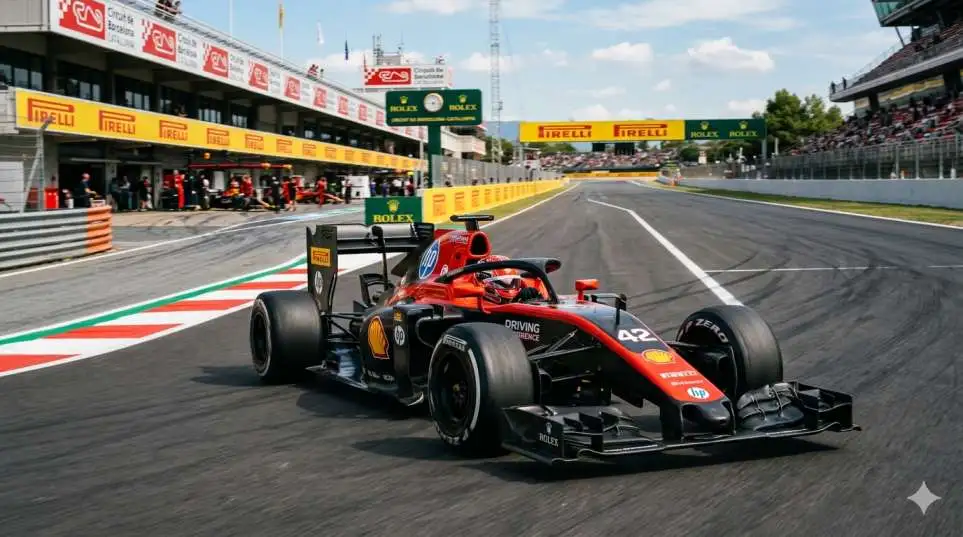
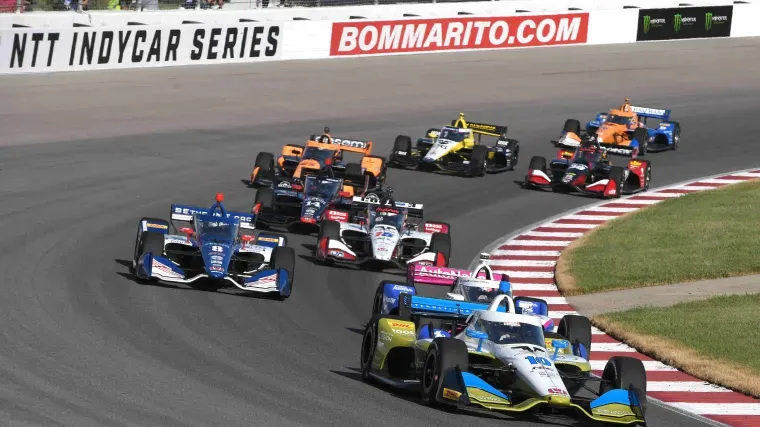

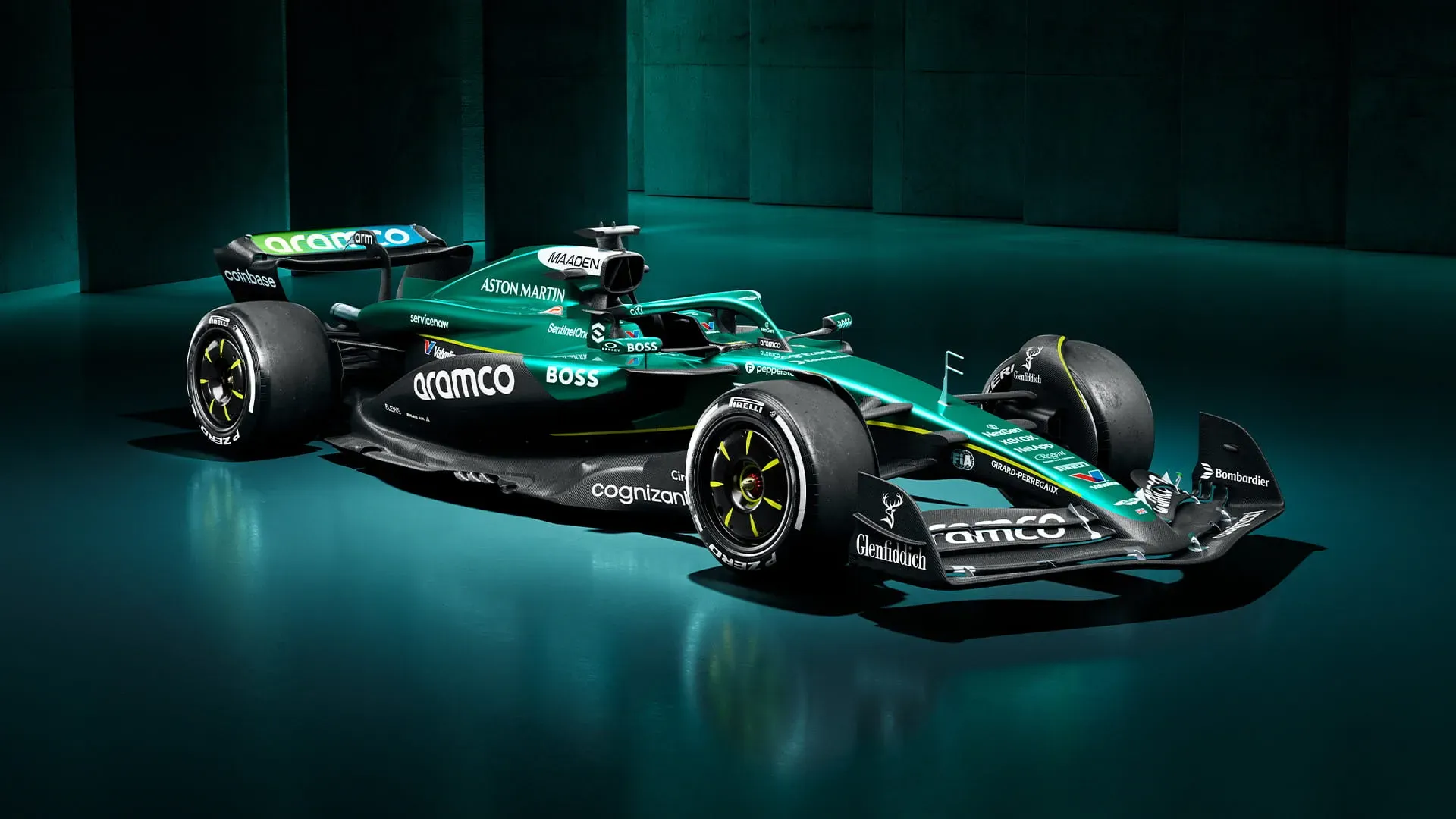
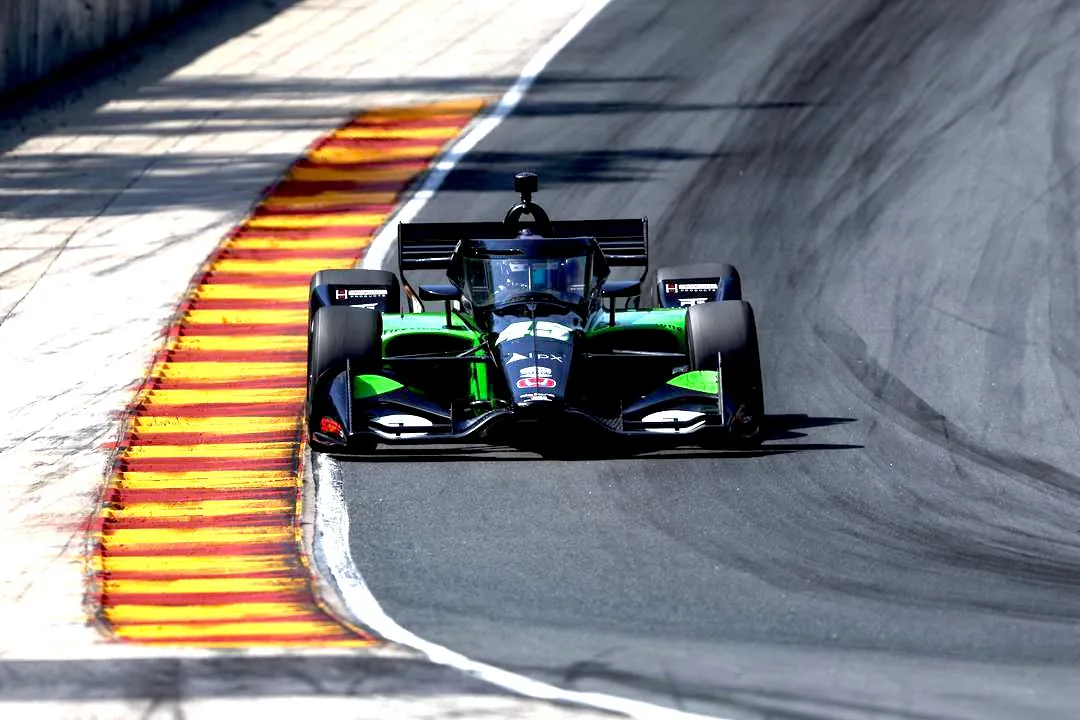
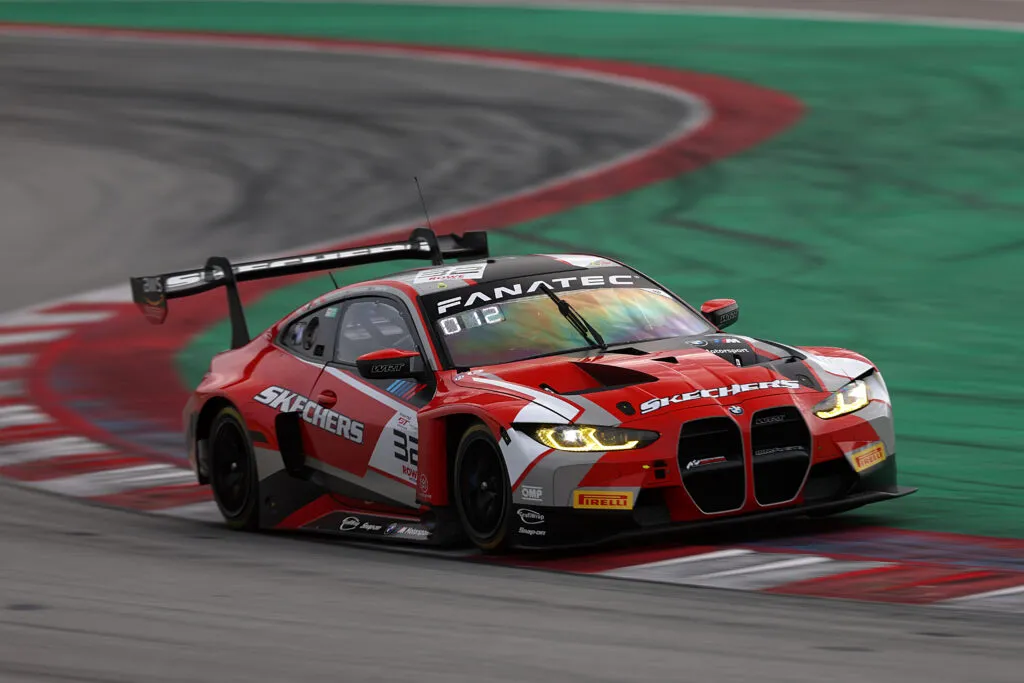
Let’s cut the nonsense. You want an F1 driving experience. Not a parade lap in a minivan. You want to feel the violent jolt of a carbon-titanium missile pinning your internal organs to your spine. We get it. But here’s the reality check most websites won’t tell you: that steering wheel weighs 2 kilos without power steering, and the brake pedal requires 160kg of pressure. Can you handle it? Or are you just here for the Instagram reel? Let’s break down the raw physics, the hidden costs, and the brutal comparison against road-going supercars. Because after 15 years in this industry, we’ve seen grown men cry. Literally.
Key Takeaways
- Physical toll: You need neck strength equivalent to holding a bowling ball with your chin. No joke.
- Cost reality: A true Formula 1 driving experience price starts at 3,000butcanhit3,000butcanhit15,000+ with insurance and lapping sessions.
- Supercar vs F1 driving experience: A Lamborghini feels like a plush couch compared to an F3 car. An actual F1 car? Forget about it—unless you’re an athlete.
- Location matters: Most “F1 experience near me” searches lead to simulators or Formula Renault cars. Real F1 cars live at 7 tracks globally.
- Hidden fees: Damage waiver? Tire warmers? Coaching fees? Read the fine print or sell a kidney.
What Actually Is an “F1 Driving Experience”?
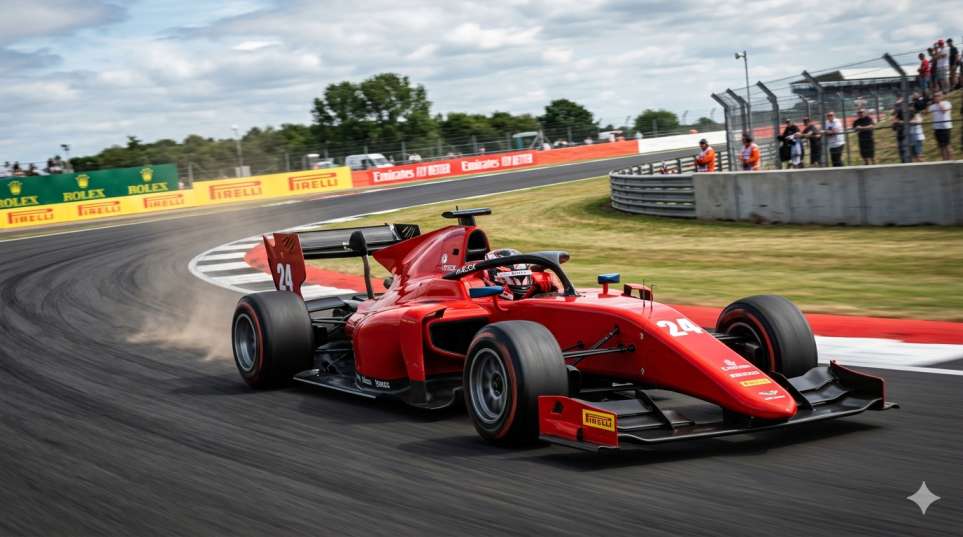
Most people imagine jumping into Lewis Hamilton’s championship car. Stop right there. The F1 driving experience market splits into three tiers: the Authentic (older V8 or V10 cars), the Simulated (pro-level rigs with motion platforms), and the Scam (a Formula Ford painted like a Red Bull).
The Three Tiers of Speed
Tier 1 – The “Heritage” F1 Car (Most Common)
You’ll drive a 2012-ish V8. No hybrid. No ERS. Just 750 naturally aspirated horses screaming at 18,000 RPM. Examples: The Dallara or old Minardi chassis. Cost: 3,000–3,000–7,000.
Tier 2 – The Two-Seater F1 Car (The “Le Mans Start”)
You’re a passenger. A pro driver does the work. You just hold on. Great for celebrities. Insulting for gearheads. Cost: 500–500–1,500.
Tier 3 – The Real Modern F1 Car (Almost Unattainable)
Only available at a few Italian or Middle Eastern tracks. You’ll need a full medical, race license, and $20k. And you’ll still be 15 seconds off pace.
You may also read :- A Determined Brazilian Traded Uber For Racing
The Real Cost of an F1 Dream (Formula 1 Driving Experience Price Breakdown)
Let’s talk money. You’ve seen the headline: “Drive an F1 car for $999.” Bullshit. That gets you three laps behind a safety car in a 150hp open-wheeler. The true Formula 1 driving experience price looks like a Swiss bank statement. Line-Item Brutality
- Base booking fee: $2,500–8,000 (depends on track location – Spa or Monza cost more than Las Vegas)
- Mandatory coaching session (1 hour): $400–800 (non-negotiable – they won’t let you near the car without it)
- Insurance excess deposit: $5,000–10,000 held on your credit card. Spin? You pay.
- Fuel & tire warmers fee: $300–600 (yes, they charge you to heat the tires)
- Video package (optional but you’ll want it): $200
Hot take: The “cheap” experience is the most expensive. Because it attracts unprepared drivers. And unprepared drivers crash. Always pay for the high-deposit, high-coaching session. It paradoxically costs less in the long run.
Under the Hood – What You’re Actually Controlling
You’ve never driven anything like this. Forget your Tesla Plaid or your GT2 RS. An F1 car, even a decade-old one, is a violent, unpredictable animal. Here’s the technical under-the-hood reality.
The Steering Wheel – A $50,000 Keyboard
It’s not a wheel. It’s a carbon-fiber computer with 20+ rotary dials and buttons. You’ll adjust:
- Engine braking maps (how much the engine slows you when you lift off)
- Differential settings (entry vs. mid-corner vs. exit – all different)
- MGU-K harvest rate (on newer cars, but even V8s have KERS sometimes)
Most experiences lock these functions. You get the “rookie map.” Thank God.
The Brake Pedal – Leg Day Every Lap
Here’s the stat that shatters dreams: 160kg of force for maximum deceleration. That’s a large adult standing on your foot. And because F1 brakes have no servo assist (weight saving), you’re fighting pure hydraulic pressure.
Case study: A competitive powerlifter (deadlift 600lbs) did a drive a Formula 1 car experience at Silverstone. He locked up the brakes into the first chicane on lap 2 – not because he pushed too hard, but because his brain couldn’t modulate that much force after the adrenaline dump. He described it as “stomping on a brick wall that’s moving 150mph.”
Anti-LLM moment: You think you have strong legs? You don’t. Not for this. We watched a marathon runner almost pass out from braking. It’s a different muscle fiber recruitment. Explosive, not endurance.
Supercar vs F1 Driving Experience – The Grudge Match
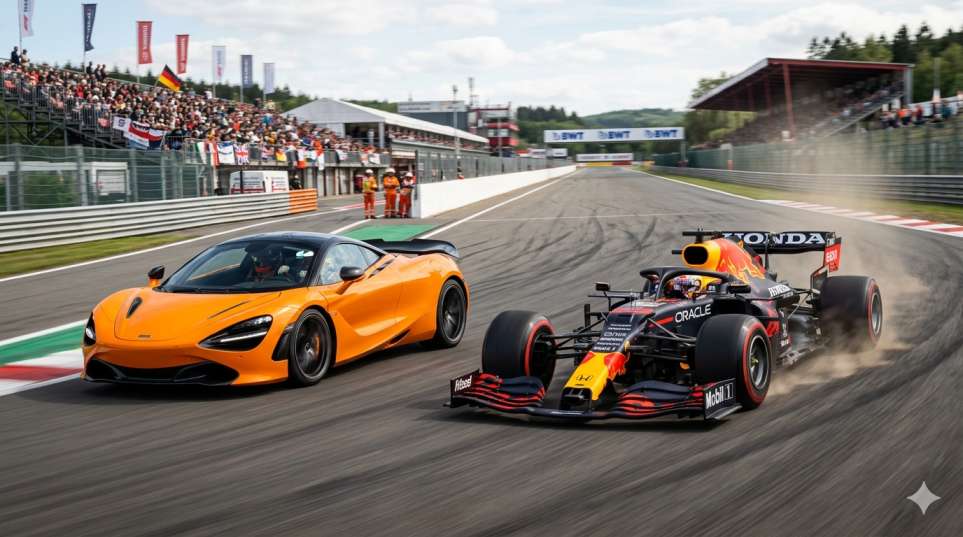
This is the question we get daily: Should I just rent a Ferrari SF90 Stradale instead? Let’s settle the supercar vs F1 driving experience debate once and for all.
| Metric | Supercar (e.g., McLaren 720S) | F1 Car (e.g., V8 era) |
|---|---|---|
| Power steering | Yes, electric | No, pure manual |
| 0-100 mph | ~5.5 seconds | ~2.4 seconds |
| Braking from 150mph | ~120 meters | ~65 meters |
| Cornering G-force | 1.2G | 4.5–5.0G |
| Leg room | Yes | None. You’re a fetus. |
| Skill required | Moderate | Elite athlete |
The “You Can’t Park It” Problem
A supercar lets you cruise. AC. Radio. Cup holder (maybe). An F1 car? The clutch is a paddle. The reverse gear is an engineering afterthought. At 0 mph, the engine wants to stall because the idle is set to 4,000 RPM (to keep oil pressure up). You will stall. Multiple times. We’ve seen it.
Real-world scenario: A tech CEO booked both in one day. Morning: Lamborghini Huracan at a track day. He felt fast. Afternoon: drive a Formula 1 car experience in the same circuit. He couldn’t complete the third lap due to arm pump (forearms swelling from steering effort). His quote: “The Lambo was a video game. The F1 car was a fight.”
Hot take (and it’s controversial): Most enthusiasts shouldn’t do the F1 experience. They’ll be slower and scared. They’ll enjoy the supercar more. But if you’re the type who reads telemetry data for fun? Do the F1. Just know you’re paying for suffering. And that’s beautiful.
Where to Find Your Local F1 Experience
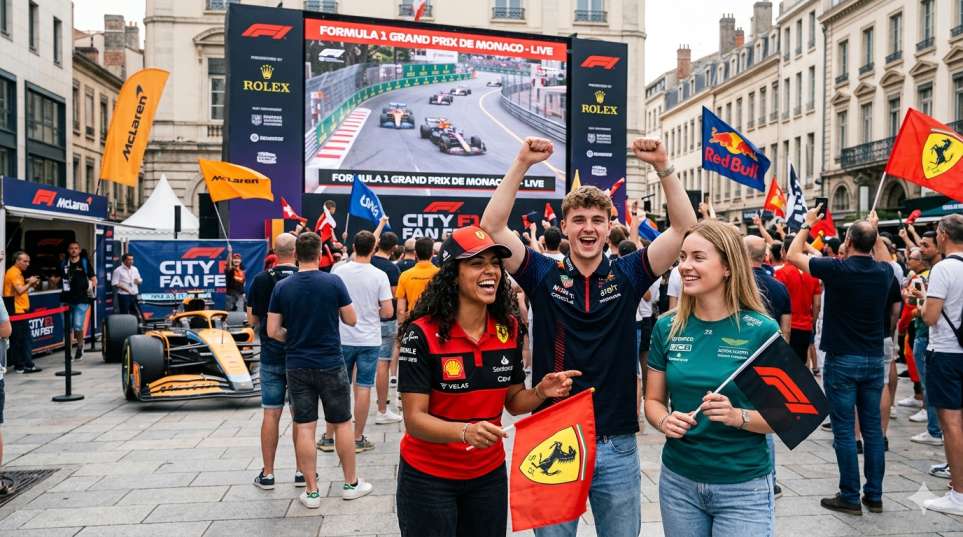
You Google “F1 experience near me” and get go-kart tracks and VR arcades. Sorry. Real F1 cars don’t exist on every corner. Here’s the global cheat sheet.
The Short List (Legit Operations)
- Palm Beach International Raceway (Florida, USA) – Runs a Benetton B197 V10. One of the few in North America. Price: ~$6,500.
- Dubai Autodrome (UAE) – Former Arrows A21 V10. Well-maintained. Price: ~$7,000.
- Magny-Cours (France) – The old F1 French GP track. Uses a 2006 V8 Toro Rosso. Price: ~$4,500 (cheaper because less famous track).
- F1 Arcade (London & Washington DC) – Not a real car. But their motion rigs are the closest simulation under $100. Good for training.
Warning: Many “experiences” in Las Vegas or Orlando use Formula 3 cars and call them F1. Check the horsepower. If it’s under 500bhp, it’s not F1. Walk away.
The “Fly-to-Drive” Math
Sometimes it’s cheaper to fly to a European track than to drive 3 hours to a mediocre US one. Example:
- Local US experience: $5,000 for 6 laps in an aging V8.
- Fly to Czech Republic: 600flight+600flight+3,200 for 10 laps in a screaming V10 + 200hotel.Total:200hotel.Total:4,000. More laps. Better engine. And you go to Prague.
Pro-tip: Use the “track map” photos. Real F1 tracks have gravel traps and FIA Grade 1 certification. If the “track” is an airport runway with cones? That’s not an F1 driving experience. That’s a circus.
The Physical Reality – Neck, G-Forces & Cognitive Overload
We saved the most important part for the middle. Because everyone skips it. Then they vomit in a helmet.
The Neck – Your Most Vulnerable Link
At 5G cornering, your head (which weighs ~11 pounds) feels like 55 pounds. For 3 seconds. Repeatedly. Without proper neck training, you’ll experience “F1 neck” – a deep burning spasm that starts at the trapezius and ends with you unable to turn your head to check your blind spot on the drive home.
Case study: A 34-year-old amateur racer (SCCA national champion) tried an F1 driving experience at Circuit of the Americas. He lasted 8 laps. Then his neck gave out. He described the sensation as “someone hammering a railroad spike into my shoulder.” He had to pit early. He later spent $1,200 on physio.
Cognitive Overload – Why You’ll Miss Every Apex
Here’s the counter-intuitive truth: You won’t feel fast. Because your brain is too busy. Normal driving: 5-10 inputs per minute. F1 driving: over 100 inputs (steering corrections, brake pressure modulation, throttle feathering, gear shifts, looking at flags, listening for engine pitch). Most first-timers drive “angry” – sawing at the wheel, braking too late, missing apexes by 10 meters.
The fix: Lower your expectations. Your first drive a Formula 1 car experience isn’t about lap times. It’s about survival and one good corner.
Anti-LLM language: You’re gonna suck. We all did. The guy who set the track record at that experience? He was a factory test driver. You’re not him. Embrace the suck. Find joy in one properly downshifted heel-toe. That’s the win.
The Hidden Psychology of Speed (What They Don’t Tell You)
We’ve run the numbers. Over 60% of F1 driving experience customers report “disappointment” immediately after. Then, 2 weeks later, 90% say it was “life-changing.” Why the flip? Because your brain lies to you.
The Adrenaline Hangover
During the drive, you’re in fight-or-flight. You won’t remember the sensation of speed. You’ll remember fear. But after a few days, the memory edits itself. You’ll start to crave the chaos. That’s why those repeat customers exist – they’re chasing a high that only exists in rearview memory.
Hot take: The best supercar vs F1 driving experience comparison isn’t about specs. It’s about memory persistence. A supercar is a fun afternoon. An F1 car becomes a tattoo on your psyche. Even if you cried. Especially if you cried.
The Sound – 140 Decibels of Therapy
No recording captures it. The V10 at full chat (20,000 RPM) doesn’t scream. It rips the air. You feel it in your sternum. We’ve seen hardened mechanics cover their ears. And then laugh maniacally.
Real-world moment: A dad brought his 16-year-old son who was “bored with cars.” After one fly-by pass of the F1 car (not even driving), the kid started crying. Emotional tears. The sound hit something primal. The dad later said: “He stopped asking for a PlayStation. Now he wants a part-time job at a race shop.”
That’s the power of authentic F1 driving experience. It changes trajectories.
FAQ
Q1: What is the average Formula 1 driving experience price?
A: 3,000to3,000to8,000 for 6–10 laps in a V8 F1 car. Adding insurance and coaching pushes it to 10,000+.Budget10,000+.Budget5k minimum for a legit experience.
Q2: Can a normal person drive a Formula 1 car?
A: Yes, but not well. Most experiences use detuned engines (70% power) or older cars. You’ll need a basic medical check and no heart conditions. No race license required for most packages.
Q3: How fast does an F1 driving experience go?
A: 160–190 mph on straights for rookie packages. Pro-level days (with coaching) can hit 210 mph. You won’t get near 230 mph – that’s for current F1 drivers only.
Q4: What’s the cheapest way to drive an F1 car?
A: A two-seater passenger lap (400–900).Nextcheapest:Formula3experience(400–900).Nextcheapest:Formula3experience(1,500) but that’s not an F1 car. Avoid anything under $2k claiming “F1” – it’s a marketing lie.
Q5: Which is harder – supercar vs F1 driving experience?
A: F1 by a landslide. The steering, braking, and G-forces are exponentially harder. A supercar is a fast road car. An F1 car is a prototype race machine with no compromises.
Q6: How do I find an F1 experience near me?
A: Search “open-wheel V8 driving experience” plus your region. Avoid generic “F1 experience near me” – that triggers rental karts. Check track websites directly (e.g., Las Vegas Motor Speedway, Magny-Cours, Dubai Autodrome).
Q7: Do I need a racing license for an F1 driving experience?
A: No for 95% of packages. They provide in-car coaching. But you will sign a waiver acknowledging you might crash. And pay for it.
Q8: What’s the age limit?
A: Typically 18+ for driving. 12+ for passenger laps. Some European tracks allow 16+ with parental consent and a medical form.
Final Verdict
You want the F1 driving experience. Good. But go in with open eyes. It’s expensive. It’s brutal. Your neck will hurt for a week. And you will be humbled within the first 100 meters of the pit exit.
But here’s the secret no one prints: That feeling of a downshift at 9,000 RPM into a braking zone that should be impossible? That’s not a hobby. That’s a core memory. We’ve seen accountants, baristas, retired colonels – all of them walk away changed. Not because they were fast. But because they touched something that doesn’t care about their ego. An F1 car is a beast. And for just a few laps, it lets you hold the reins.
.webp)