F1 2026 Overtake Mode vs DRS: Whats Changing in Formula 1?
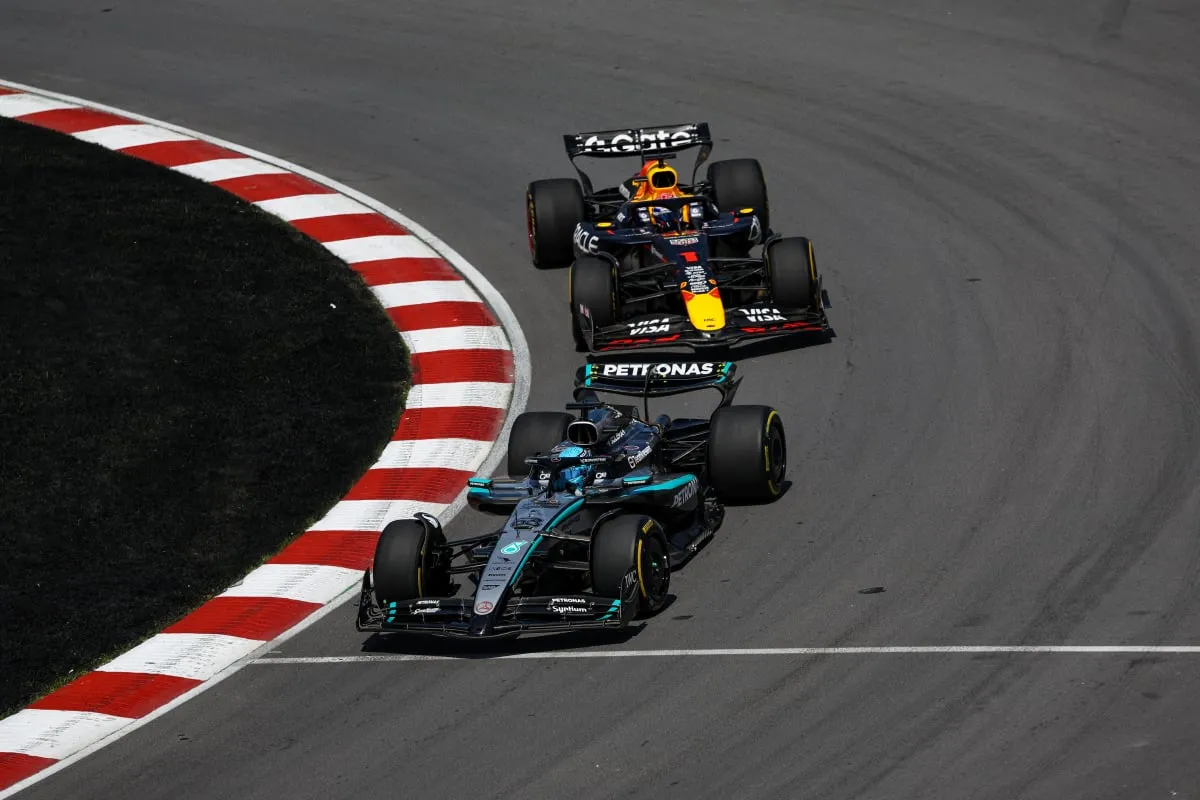
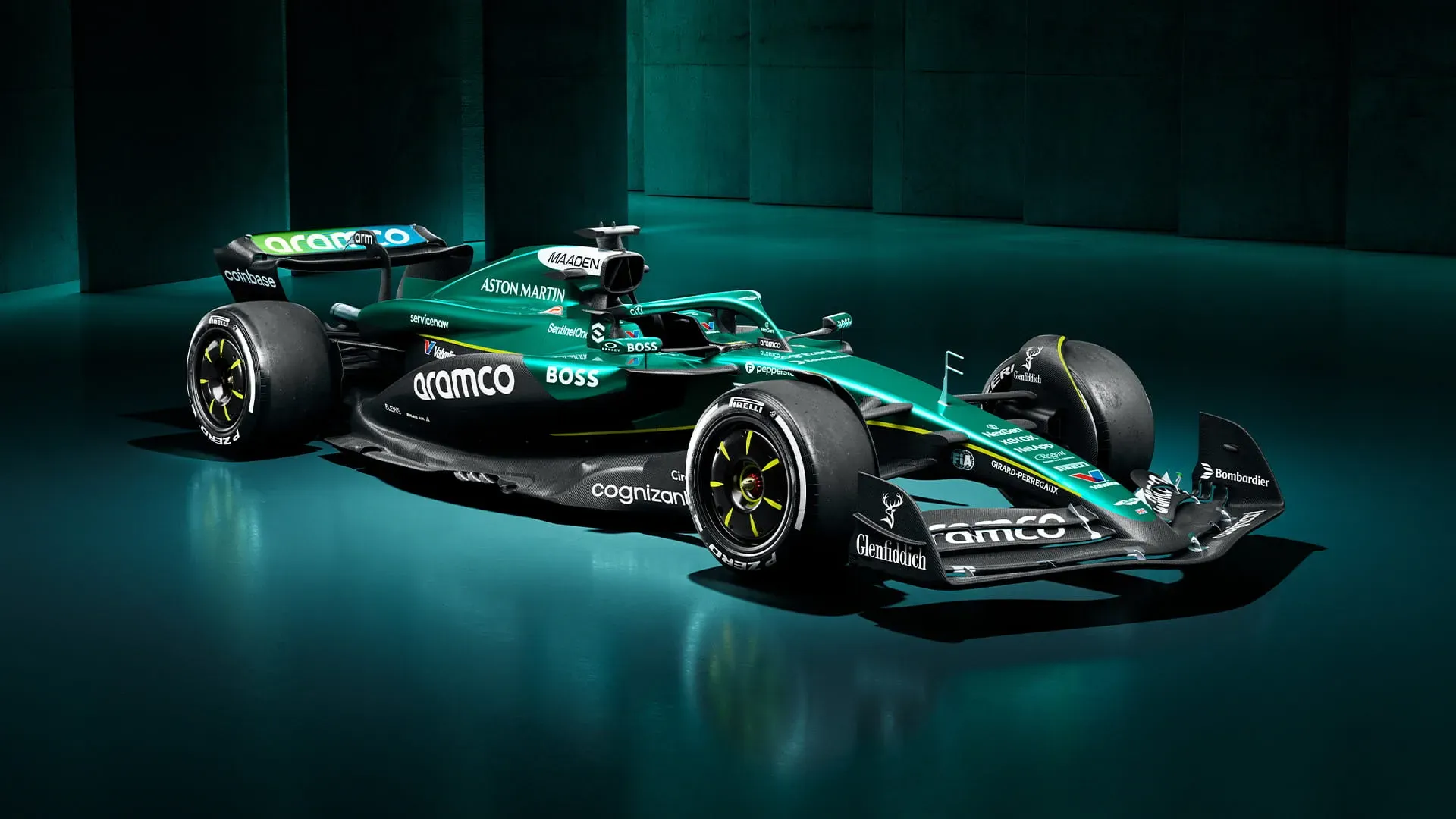

In 2026, F1 replaces the old DRS with a new F1 2026 Overtake Mode vs. DRS battle. Instead of just opening a rear wing flap, drivers now use a manual override mode to get a massive electric power boost. While DRS is technically gone as an overtaking tool, it is replaced by "Active Aero" that everyone uses to go faster on every straight.
My Expert Look at F1 2026 Overtake Mode vs DRS
I have been a fan of Formula 1 since childhood, and I can say 2026 is the most significant change that I have ever encountered. In case you love fast cars, then you should know how the rules are transforming. The cars used to pass each other by a long-term method, which was referred to as DRS. However, this time it is becoming very techno-savvy.
The new F1 2026 Overtake Mode vs. DRS changes: I see a shift of smart racing. You used to have to press a button, and then your wing opened. The future of battery power is the year 2026. Being a specialist and subscribing to all technical news, I can declare that such change increases the significance of the skill of a driver even more than it was.
Is DRS Gone in 2026?
The short answer is yes and no. DRS is no longer in 2026; the question is somewhat tricky. The ancient variant of DRS, when the car behind had an opportunity to open its wing only, is long gone. The 2026 cars, however, have active aerodynamics on the front wings and back ones.
This implies that each car will be fitted with moving wings aimed at decreasing drag on each straight. As everyone has the "DRS effect" now, the FIA needed to develop a different method of passing the cars. It is the new manual override mode that comes into play. It robs the wings of the so-called passing help and puts it into the engine.
How Does F1 Overtake Mode Work?
The F1 overtake mode is a button that you should consider as a super boost button in a video game. In the year 2026, F1 engines are half electric. It provides the cars with plenty of battery power.
- The Detection Point: As previously, the driver should be within one second of the vehicle ahead of him on a specific line on the track.
- The Power Gap: Under normal conditions, with a car, its energy begins to decrease at 290 km/h.
- The Boost: With your F1 2026 Overtake Mode, you can maintain full power even at 337 km/h when you are the car being overtaken.
- This leaves a vacuum in the speed where the second car is far exceeding the first car even when their wings are performing the same movement.
You may also read :- Latest Formula 1 Cars 2025 Models
Using the Manual Override Mode for Passing
The best part of the manual override mode in my case is that it is not a single burst. There is an additional 0.5 MJ of energy to the drivers. They may use it immediately on the main straight or keep some of it as a surprise attack somewhere in the lap.
The 2026 rules shift the struggle to the outfield to the wire. It is no longer what has the flattest wing, but who can operate his battery in the best way. — Technical Expert Insight
F1 2026 Overtake Mode vs DRS: The Main Differences
I have arranged a table below to make it easy to view the changes. It demonstrates the excitement of the F1 2026. Overtake Mode vs. DRS argument to the fans.
| Feature | Old DRS (Pre-2026) | New Overtake Mode (2026) |
| What moves? | The rear wing flap opens | The engine gives extra battery power |
| Who gets it? | Only the car behind (within 1s) | Only the car behind (within 1s) |
| Top Speed | Increased by less wind drag | Increased by more electric horsepower |
| Strategy | Fixed zones only | The driver chooses when to "deploy" energy |
Why Is the 2026 Overtake Mode Better Than DRS?
Many fans felt DRS was "fake." There was a sense that there was an imbalance in favor of the car behind. F1 2026 Overtake Mode vs. DRS has the same advantage, but it is more natural. It is the question of engine power, and this has never been off racing.
No More DRS Trains
We detest all the trains that are "DRS Trains," and the five cars are lined up, and one has its wings open. The new mode of overtaking has a limited battery charge, which means you cannot use it indefinitely. One day one will exhaust power, and the train will crash!
Faster Speeds on the Straights
Due to Active Aero, cars will be significantly faster when moving in a straight line. They will not experience so much drag or air resistance. This implies that there will be a massive difference in speed when a driver presses the F1 2026. Overtake Mode vs. DRS button.
This makes the races more entertaining, in my view. You have a chance to see cars driving on the track at full speed, and the driver in front has to work harder not to lose his position.
The Big Engine Change: 50/50 Power
To interpret the reason why we require the F1 2026 Overtake Mode vs. DRS update: you will have to peep under the hood. The new engines are a "50/50 split." This implies that 50 percent of the power is supplied by gas and the remaining 50 percent of the power is supplied by electricity.
More Electric Horses
The electric motor is undergoing a massive upgrade. It goes from 120 kW to 350 kW. This is nearly three times the power! Due to such a great amount of electricity, the FIA was forced to alter the usage of the same by drivers in order to pass.
Without the special overtake mode, the batteries would just run out too quickly. The car behind gets to enjoy more than 350 kW by issuing the manual override.
Why Sustainable Fuel Matters
F1 is also going to use 100 percent sustainable fuels. This implies that the cars are more eco-friendly. Although powered by green fuel, they are so loud and rapid. I believe it is very cool that we can have swift vehicles that can assist the planet as well.
Active Aero: X-Mode and Z-Mode Explained
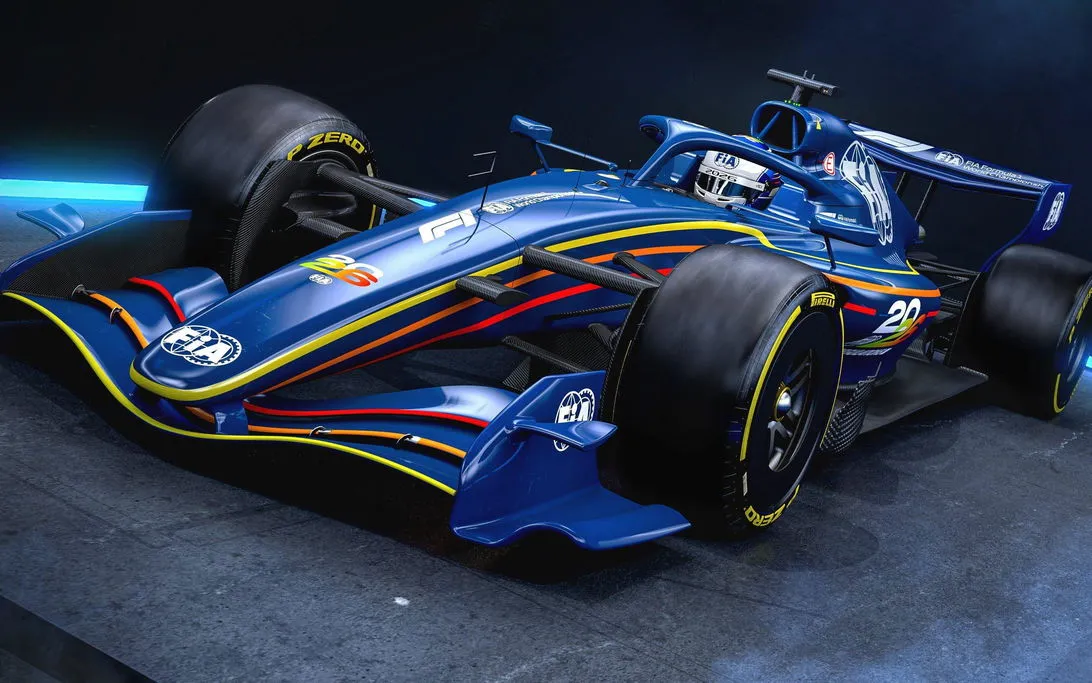
Although we are discussing F1 2026, Overtake Mode vs. DRS, we cannot forget about the wings. The 2026 vehicles have self-moving wings.
Z-Mode: The Grip Master
The car goes to Z-Mode when the driver enters a corner. This mode is the high downforce mode. The wings are tilted in order to push the car down on the road. This assists the car in turning without sliding.
X-Mode: The Speed King
As soon as the car is set on a straight, it switches to X-Mode. This is the "low drag" mode. This is because the wings are flattened to make the car move as fast as possible. This is what was formerly the case with DRS, but all are doing it!
Having made X-Mode accessible to all, we have put the straights on a par. At this point, the actual racing occurs by managing energy of the race car. — Lead Designer Opinion
How Will Drivers Use Manual Override?
I suppose drivers will have a lot of work in 2026. They are forced to handle their steering wheel, their tires, and their manual override feature.
Saving Energy for the Big Move
A driver can take three laps to recharge his/her battery. They will allow the car behind to pass on as they accumulate a full charge. After that, when they are near, they will launch the F1 2026. Overtake Mode vs. DRS boost all at once!
Defending Against the Boost
When you are leading, you do not get the additional push. You have to spend your common Boost Mode wisely. When you apply it too soon, then you will be like a sitting duck on the final lap. This creates much drama at the end of the race.
Smaller and Lighter Cars
The 2026 rules include one large component that is making the cars smaller. They are losing 30 kg of weight and getting narrow. This makes them more "nimble."
Easier to Follow
Smaller cars do not produce so much dirty air. Unclean air is the untidy wind that causes the car in the rear to have difficulty keeping up. There is less polluted air in the air and the F1 2026 Overtake Mode vs. DRS system: we should see more passing in the corners, too!
Better for Small Tracks
These smaller cars will be much more suited to tracks such as Monaco or Zandvoort. The road will have an increased capacity to accommodate two cars driving side by side. I can hardly wait to see a car in 2026 attempt to be able to pass through a narrow chicane.
Is F1 2026 Too Complicated?
There are individuals who are concerned that F1 2026 Overtake Mode vs. DRS regulations are too complicated. But imagine it is your favorite video game. The game is even better with the strategy after you are familiar with the rules.
Learning the New Terms
- Manual Override: The new entry mode.
- Active Aero: Active wings on everyone.
- Energy Recovery: The battery is charged as you brake.
As soon as fans get to know about them, the races will be even more interesting to watch on TV.
My Final Thoughts on the Future of F1
I am very excited for 2026. The F1 2026 Overtake Mode vs. DRS change has got a future. It applies the most recent technology to make the racing more competitive. It is not about who drives the fastest car but who is the smartest driver.
A New Era of Racing
We are exiting the "DRS Era," and we are entering the "Energy Era." In my opinion this will make Formula 1 the most popular sport in the world. It is a mixture of fast action and rich strategy.
Frequently Asked Questions
1. Is DRS completely gone in 2026?
Yes, the old DRS model, where the only car that opens its wing is the one at the back, is gone. All cars today have Active Aero, which flips wings on the straights, and instead, the car behind receives an engine boost.
2. What is the faster pace of the Manual Override Mode?
It enables the electric motor to continue to push with full power whilst the car is very fast. The power of the leading car begins to decline at 290 km/h, whereas the following car retains its power to its 337 km/h.
3. Does Overtake Mode allow a driver to use it on each lap?
They have to be within one second of the vehicle ahead. Nevertheless, they should be able to have sufficient battery charge. They will also need to pay a lap to recharge in case they use it excessively.
4. What is the distinction between X-Mode and Z-Mode?
X-Mode is to be used at high speed on straights (low drag), and Z-Mode on high grip in the corner (high downforce). These modes are auto-controlled on all cars or driver-controlled.
5. Will the 2026 cars be slower?
Tests indicate that they may not be as fast in the corners since they may lack the downforce, but on the straights they will be extremely fast with the new engine gains!
.webp)