How Fast Does a Formula 1 Race Car Go
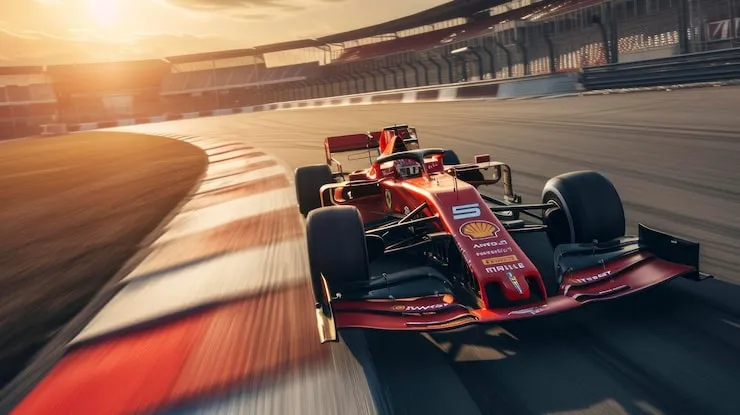

Envision strapping into a rocket on wheels. The clamor is stunning. The discussion vibrates. At that point, you’re tossed back in your situation as the world obscures into a burrow of color.
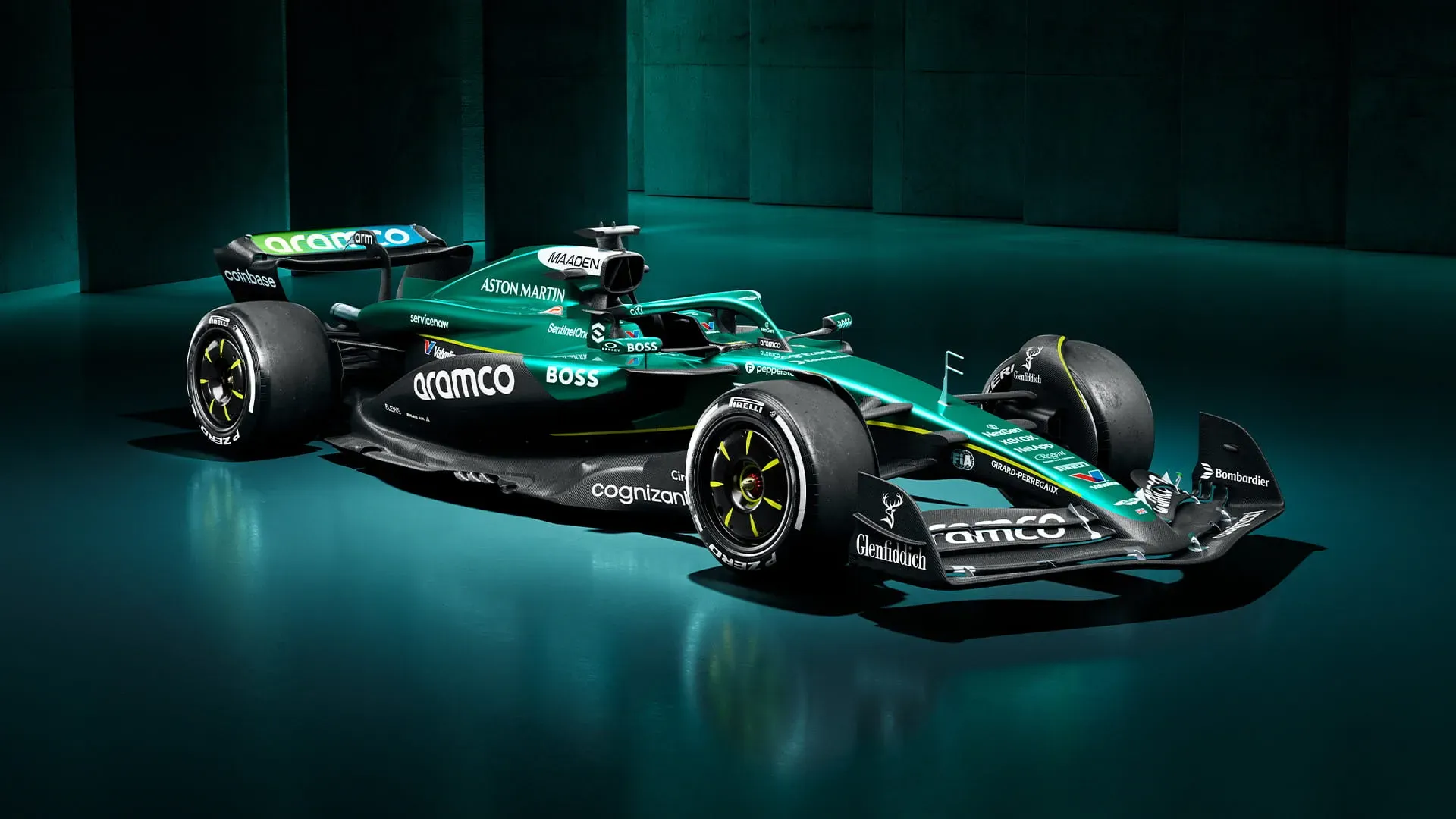
This is the reality of an Equation 1 car—the speediest, most progressed hustling machine on the planet. But what is “fast” truly cruel here? It’s more than fair one number on a speedometer. It’s approximately hazardous begins, cornering that appears to break material science, and a best speed that will take off you breathless.
Let's settle into the cockpit and discover: how fast does a Formula 1 race car go?
The Straight-Line Sprint: Best Speed & Acceleration
First, let’s reply to the basic address. On a long, open straight, a present day F1 car is a bullet.
Top Speed: Over 230 MPH
On circuits built for speed, like Monza in Italy or Baku in Azerbaijan, these cars frequently hit 220 to 230 miles per hour (355-370 km/h).
The record? An extraordinary 231.4 mph (372.5 km/h), set in 2016. They as it were hit this top for a moment some time recently braking, but it demonstrates their potential.
Acceleration: 0 to 60 in a Heartbeat
The dispatch is where you feel the crude control. The cross breed motor conveys over 1,000 drives. This lets the car do 0 to 60 mph in approximately 2.6 seconds.
But it gets crazier. The increasing speed from 100 to 200 km/h is indeed quicker than a million-dollar hypercar. The drive pushing the driver back into their situate? More than twice the constrain of gravity.
So, how fast does a Formula 1 race car go in a straight line? Mind-blowingly quick. But the genuine enchantment happens when the straight ends.
The Genuine Test: Cornering Speed
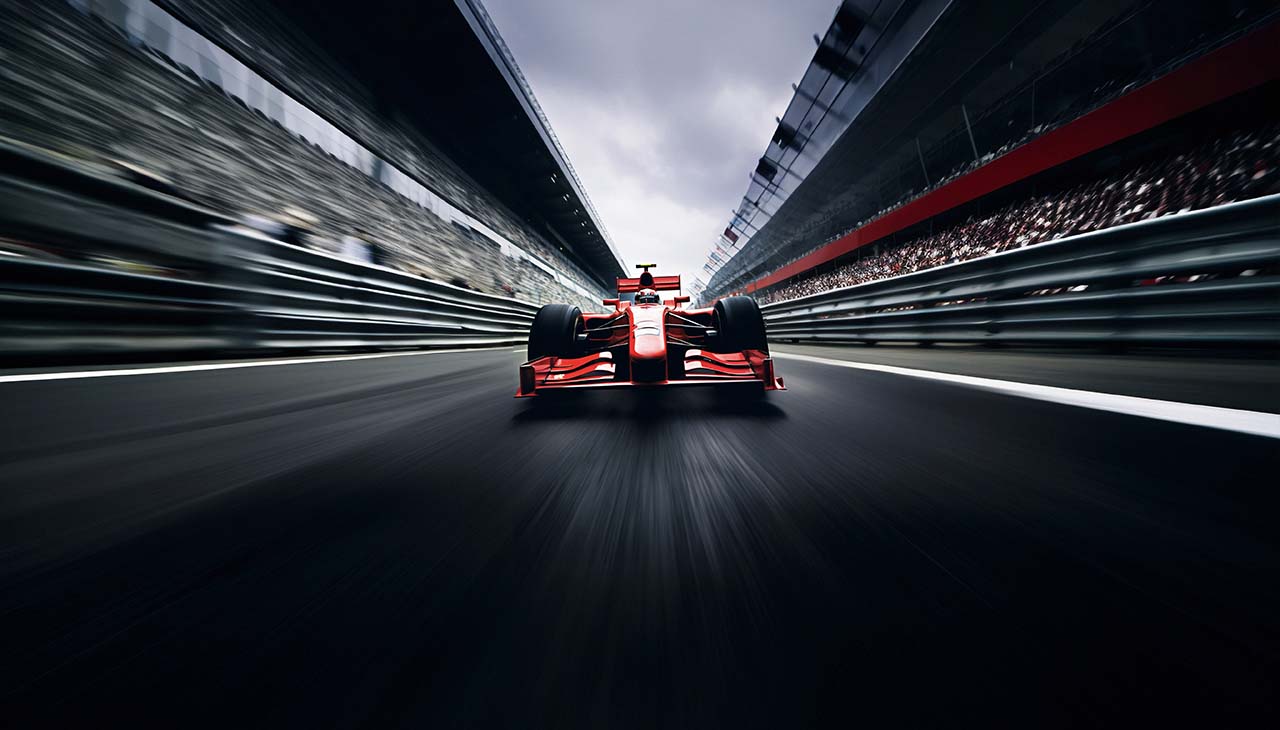
This is where F1 cars ended up enchanted. Anybody can go quick in a straight line. Going quick around a twist is genuine art.
How Downforce Makes "Sticky" Speed
The mystery is downforce. The front and raised wings, also the etched floor, act like upside-down plane wings. They suck the car onto the track.
At tall speed, this downforce can make the car weigh over four times its ordinary weight. This "sticky" constraint lets drivers take corners at speeds that appear impossible.
Read Also:- Latest Formula 1 Cars 2025 Models
Let's see at two popular examples:
- At Spa's Eau Rouge (Belgium), drivers take a soak, winding slope flat-out at over 185 mph (300 km/h).
- Through Silverstone's Brush corner (UK), they carry an unfaltering 180 mph (290 km/h).
The Driver's Fight: Battling G-Forces
For the driver, this speed is a physical battle. When a car corners at 180 mph, it makes monstrous G-forces.
The driver is pulled sideways with a drive 4 to 5 times more grounded than gravity. Envision somebody attempting to yank your head to the side whereas you're wearing a 10-pound head protector. That’s what they feel, for about two hours.
This is the genuine reply to how quick a Equation 1 race car goes. It’s not fair speed; it’s the brutal, maintained constraint that comes with it.
What Controls Speed? The Key Factors
An F1 car doesn't hit its best speed consequently. Groups and drivers carefully control it. Here are the enormous factors:
1. Streamlined Setup: The Speed Trade-Off
This is the greatest choice. For a twisty track like Monaco, groups include huge wings for most extreme downforce and hold in corners. But this makes drag, like a parachute, constraining best speed.
For Monza, they utilize modest wings for moo drag. This boosts straight-line speed but makes the car apprehensive and slower in corners. It’s a steady balance.
2. DRS: The "Overwhelm Button"
The Drag Diminishment Framework (DRS) is a mobile fold on the raise wing. When a driver is near behind another car, they can open it on a straight. This diminishes drag and gives a best speed boost of 10-12 mph, vital for passing.
3. Motor and Battery Modes
The half breed motor isn't continuously running at 100%. Drivers can spare fuel and battery life. When they require it, they hit a "boost" button for additional electrical control from the battery. This gives a sudden surge of increasing speed and higher best speed.
4. The Track Itself
Altitude changes everything. In Mexico City, the discuss is lean at tall elevation. This implies less control for the motor but moreover much less discuss resistance. The result? A few of the most noteworthy beat speeds of the season, indeed with less motor power.
Equation 1 vs. The Competition
Is F1 the quickest of all? It depends on how you measure.
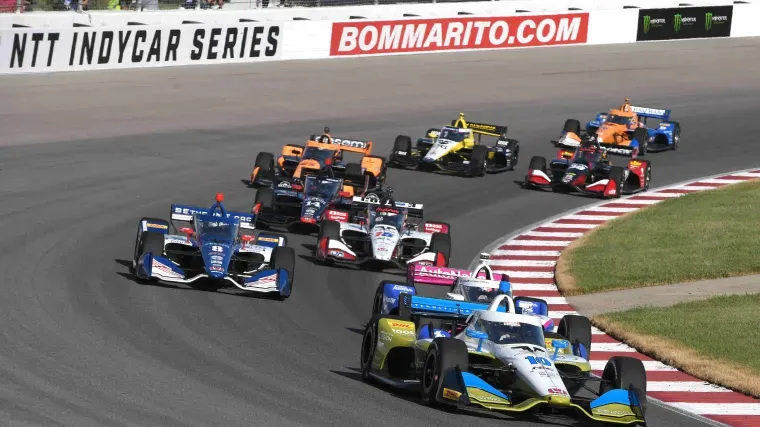
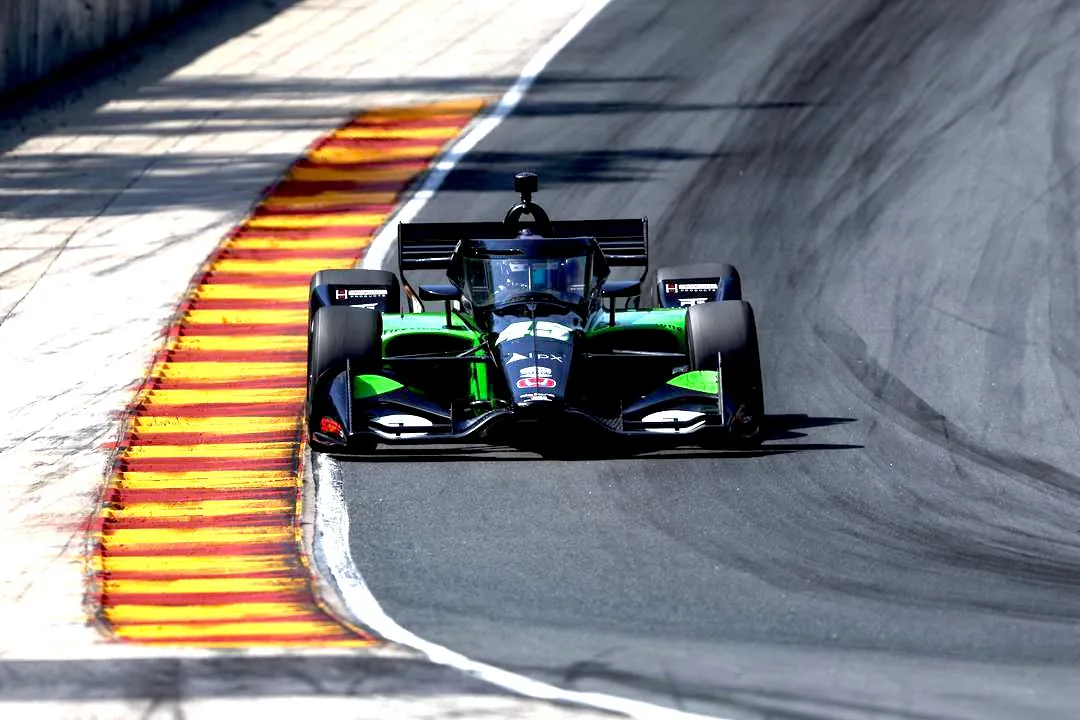
- Vs. IndyCar: On colossal American ovals, an IndyCar can hit a higher maintained beat speed (around 240 mph). But on a typical track with cleared out and right turns, the F1 car's prevalent downforce and increasing speed would win easily.
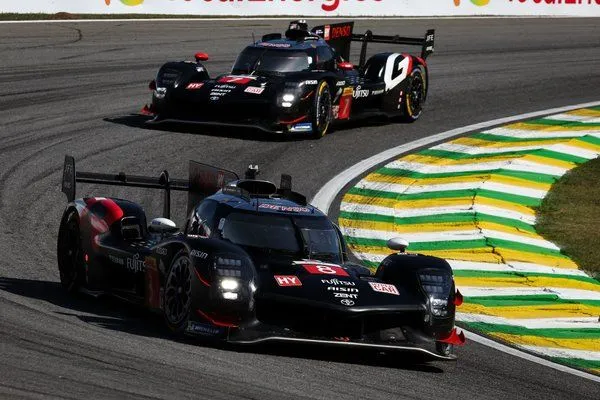
- Vs. Le Mans Models: These continuance cars are forceful on exceptionally long straights. But over a single lap of a standard track, the F1 car's cornering speed makes it the faster machine.
- Vs. Equation E: Equation E races on city roads. Their electric cars are built for energizing races, not best speed, and are much slower in comparison.
In basic terms: For a total bundle of speeding up, cornering, and braking on a circuit, nothing beats Equation 1.
The Future of F1 Speed
The journey for more speed never closes, but it's changing. Nowadays, the objective isn't fair to be speedier at any toll. The center is on:
- Sustainability: Utilizing half breed control and creating unused eco-friendly fuels.
- Better Hustling: Rules presently point to let cars take after each other closely, making more overtaking.
- Safety: The most elevated need. Cars are built as survival cells to secure drivers at these extraordinary speeds.
Future F1 cars will be quick, but they will too be more brilliant, cleaner, and planned for wheel-to-wheel battles.
Read More:- Best F1 Races Of All Time
Conclusion
So, how fast does a Formula 1 race car go? Presently you know it’s a exciting mix.
It goes 0-60 mph in the flicker of an eye. It tops 230 mph on a straight. And it flies around corners speedier than you thought conceivable, with the driver battling powers that would make most of us pass out.
The speed is a physical exhibition and an designing supernatural occurrence. It’s the reason millions hold their breath each race Sunday, seeing the supreme limits of human and machine. That is the breathtaking truth of Equation 1 speed.

.webp)