MotoGP Engine Evolution: Past, Present, and Future
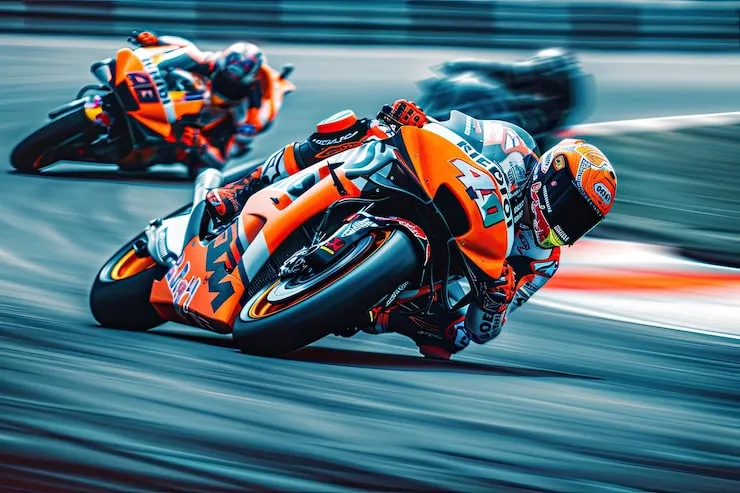
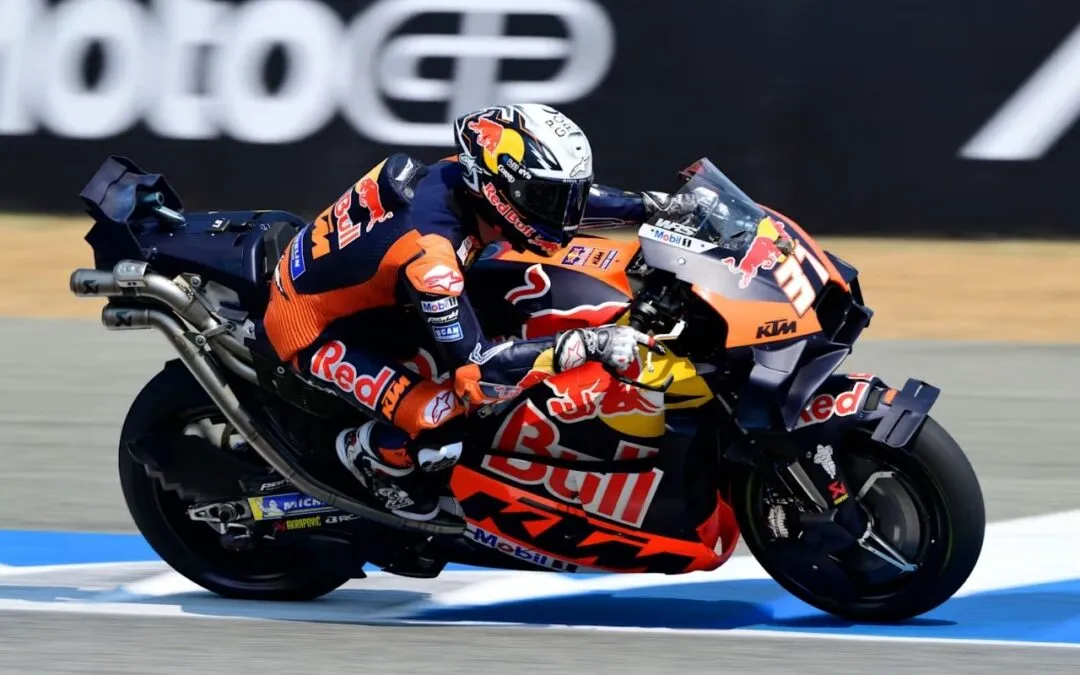

Have you ever observed a MotoGP bicycle shout down the straight? The sound is like irate thunder. The speed is extraordinary. But that astounding control doesn't fair happen. It comes from a long time and a long time of keen changes. This is the story of MotoGP engine evolution.
Think of a MotoGP motor as a living thing. It learns, develops, and gets superior each season. Engineers are like specialists for these motors. They continuously see for ways to make them more grounded, lighter, and quicker. The history of MotoGP motor advancement is a race of brilliant ideas.
Let’s begin our motor experience. We will see how straightforward engines got to be the high-tech wonders of today.
Your MotoGP Engine Evolution Direct: From Two Strokes to Four
A long time back, MotoGP bicycles utilized something called a two-stroke motor. These motors were light and made control in a straightforward way. They had a sharp, shouting sound. But they were moreover smoky and utilized a parcel of fuel. The move to four-stroke motor innovation was a tremendous moment.

Four-stroke motors are more like the one in your family car, but much, much more capable. This alter happened in 2002. It was a insurgency! These unused motors were cleaner, more dependable, and may make indeed more drive and torque. This was a major innovative headway in MotoGP.
MotoGP Engine Evolution Direct: The Control Chase
Once four-strokes arrived, the genuine race started. Who seem make the most control? For a long time, engineers attempted greater motors. They went from 990cc to 800cc, and at that point to the 1000cc machines we have nowadays. This increment in motor capacity was all around finding the culminate balance.
Making a greater motor gives more control, right? Yes, but it too makes the bicycle heavier and harder to turn. So, engineers had to be intelligent. They didn’t fair make motors greater. They made them more intelligent. This is where motor administration frameworks came in.
Read Also:- History of MotoGP World Champions and Records
Brain Control: The Computer Interior the Engine
Modern MotoGP bicycles have a minor computer brain. This brain controls everything. It chooses how much fuel to utilize and when to make a start. This is called electronic fuel infusion and start timing.
Why is this so critical? Since a rider can’t control everything at 200 mph! The computer makes a difference. It gives the rider distinctive motor mapping and control conveyance modes. On a damp track, the rider can select a smooth, tender mode. On a dry track, they can switch to a wild, full-power mode. This hardware and footing control integration keeps the bicycle secure and fast.
The Require for Speed: Drive and Torque Development
So, how much control are we talking around? A MotoGP motor nowadays makes over 280 drive. That’s more than three typical sports cars! But crude control isn’t everything. Engineers too work on torque. Torque is the pulling control. It’s what tosses the bicycle out of a moderate corner.
The objective is direct control conveyance. This implies the control comes easily, not in a sudden burst. Smooth control lets the rider control the bicycle way better. They can open the throttle prior in the corner without the raise wheel turning out. This is a key portion of MotoGP motor performance.
Fighting Grinding: Motor Fabric Innovations
What is a MotoGP motor made of? Extraordinary stuff! Each single portion is outlined to be light and solid. Engineers utilize metals like titanium and aluminum combinations. These are lighter than steel. A few parts are indeed made from favor carbon fiber components.
Why does weight matter? A lighter motor lets the bicycle alter course speedier. It too makes less pivoting mass and inactivity. Think of a turning best. A lighter best is simpler to turn and simpler to halt. It’s the same with motor parts. Lighter parts offer assistance the bicycle quicken faster and brake later.
The Rules of the Diversion: Motor Controls and Their Impact
MotoGP has rules. These rules make the hustling reasonable and energizing. One huge run the show is the motor solidify and improvement limitations. Each rider can as it were utilize a certain number of motors for the entire season. This implies motors must be exceptionally, exceptionally reliable.
Before, engineers may blow up motors in hone to test their limits. Presently, they can’t. Each motor has to final for numerous races. This run the show pushed groups to make motors that are both capable and bulletproof. It’s a intense challenge that driven to more intelligent designs.
The Sound of Control: Deplete Frameworks and Aerodynamics
Look at the wild shapes on a MotoGP bicycle. The winglets and the huge debilitate channels. They are not fair for appear! The deplete framework plan is pivotal. It makes a difference the motor breathe superior, pushing out hot gas and pulling in new air.
Aerodynamic progressions are moreover key. Those winglets press the bicycle down onto the track. This is called downforce. More downforce implies the bicycle can have more control without the front wheel lifting into a wheelie. The motor and streamlined features work together as one system.
Looking Ahead: The Future of MotoGP Motor Design
What’s another for MotoGP motors? The future is around being economical and green. The world is changing, and MotoGP is as well. We are as of now seeing progresses in biofuels and manufactured fills. These unused powers can still make insane control but with a littler carbon footprint.
Could we see electric MotoGP bicycles? Perhaps one day! But for presently, the center is on making the current motors cleaner and more proficient. The soul of development in MotoGP building will continuously proceed. The journey for the idealize motor never ends.
Read More:- Fastest Motogp Bike in the World
Frequently Inquired Questions
Q: What was the greatest alter in MotoGP motor history?
A: The greatest alter was in 2002 when MotoGP exchanged from uproarious, smoky two-stroke motors to the capable and productive four-stroke motors we see nowadays. This changed everything approximately the bikes’ speed, sound, and technology.
Q: Why are MotoGP motors so loud?
A: The unimaginable commotion comes from the motors turning at over 18,000 transformations per diminutive (RPM). That’s around three times quicker than a street car motor! The extraordinary deplete frameworks too shape that famous, ear-splitting scream.
Q: How do they make the motors so capable but still reliable?
A: It’s a enchantment trap of building! They utilize the most grounded, lightest materials like titanium. They too have astonishing cooling frameworks and super-smart computers overseeing each drop of fuel. The motor constrain run the show constrained groups to ace building motors that are both race-winning solid and marathon-runner reliable.
Q: What do riders think approximately all this technology?
A: Expert Cite: Valentino Rossi, a MotoGP legend, once said, “The advancement of the motor, particularly with the hardware, has been mind blowing. Presently, the control is smoother. It is simpler to utilize, but you still feel the creature underneath you. The association is fair more precise.” This appears how innovation makes a difference the rider control the great power.
Q: Will MotoGP motors keep getting more powerful?
A: Not fundamentally. The objective presently is not fair more control, but way better control. Engineers need control that the rider can utilize effortlessly. They too center on effectiveness, fuel utilization, and modern, maintainable fills. The advancement is presently approximately insights, not fair brute constrain.

.webp)