Fast Charging Technology for Electric Cars: How It Works



Having spent years testing electric vehicles (EVs) and analyzing the evolution of power grids, I have seen firsthand how charging has changed. Fast charging technology for electric cars is the "secret sauce" making fossil fuels a thing of the past.
By delivering high-power direct current (DC) straight to the battery, this technology allows most modern cars to jump from 10% to 80% charge in just 15 to 30 minutes, effectively ending "range anxiety" for drivers worldwide.
What is Fast Charging Technology for Electric Cars?
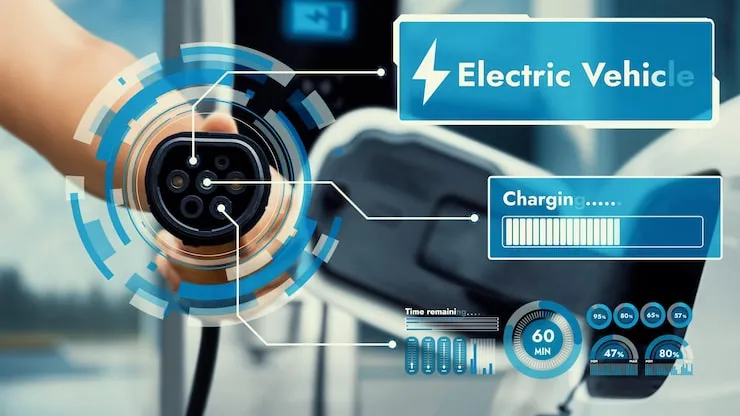
The 15-minute so-called refuel was a dream when I used to drive an EV first in 2018. Today, it is our reality. Electric cars have a different type of fast charging technology as compared to the charger at home. Whereas your wall outlet delivers Alternating Current (AC) which must be converted to some degree by your car, a fast charger delivers Direct Current (DC).
This is the advantage of your car not waiting to have your small onboard converter to power your phone. It is directly fed into the battery cells. Consider it in the following terms: when home charging is compared to filling in a swimming pool with a garden hose, then fast charging is compared to a huge industrial water main.
The Science Behind High-Speed Power
In order to actually know more about fast charging technology for electric cars, we must examine the interaction between the car and the stall. The charger communicates with the Battery Management System (BMS) in your car when you plug in. They come to an agreement on a charging curve.
This curve explains the reason why your car charges incredibly fast at first but slow down when it reaches 80%. It’s a safety feature. When the battery was kept at maximum speed till it reached 100 then the cells would become burnt by heat. I can always say to my readers, Charge to 80 and come back on the road. It saves your time and maintains your battery charge.
You may also read :- Top Car Models with Advanced Safety Features for 2025
Understanding the New 800V Architecture
The shift to 800-volt systems has become one of the largest electric car fast-charging technology leaps that I have ever witnessed. A long time was 400 volts. However, we now are witnessing 800 V being the new gold standard of high cars and even mid-range cars.
Why Voltage Matters for Speed
A more powerful voltage also indicates that there is an opportunity to transfer more power without the use of more substantial and heavy cables.
- Less Heat: Less current (Amps) produces less heat wastage.
- Light Wires: More efficient cars can be made lighter.
- Breakneck Speeds: It is now possible to charge some 800 V cars with 100 miles of range in less than 6 minutes.
The newest Hyundai IONIQ 5 and Porsche Taycan were tested by me, and the speed was astonishing. These vehicles maximise the use of ultra-fast DC chargers with 350 kW and above. This represents the height of electric vehicle charging technology nowadays.
The Rise of Megawatt Charging Systems (MCS)
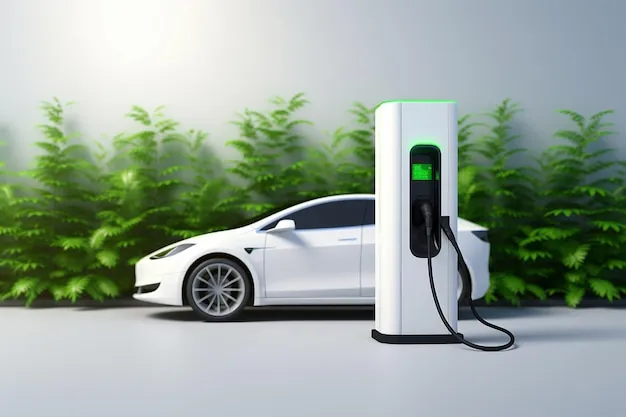
Although we typically discuss passenger cars, we are also witnessing the transformation of big trucks through the use of fast charging electric cars. The new frontier is the Megawatt Charging System (MCS) in 2026. These are chargers that are meant to serve huge semi-trucks and buses.
Power Beyond Imagination
A MCS charger will be able to supply more than 1,000 kilowatts (1 MW). To put it into perspective, that is enough of power to serve hundreds of homes simultaneously!
- Logistics Performance: Trucks have an opportunity to charge in an obligatory 30-minute break of a driver.
- Specialized Plugs: With these systems, a different and much larger connector than your standard EV is used.
- Grid Integration: The grid uses large Battery Energy Storage Systems (BESS) to assist with such a tremendous draw of energy.
Different Plug Types You Need to Know
The various plugs may be mixed up in case you are new to the fast charging technology of electric cars. I have survived the format wars, and this is what 2026 will look like:
- NACS (North American Charging Standard): It is the Tesla standard plug that has been adopted by Ford, GM, and most others today. It is small and very reliable.
- CCS1 / CCS2: The "Combined Charging System. It is big-round at the top, with two big pins at the bottom to receive high-speed DC power.
- CHAdeMO: This is mostly used on older automobiles. It is gradually being done away with to give way to NACS and CCS.
Battery Health and Fast Charging Myths
I have heard many times: "My battery will kill with fast charging technology of electric cars? I would always say a resounding No-if you use it right.
Protecting Your Battery Longevity
EVs in the modern world are very intelligent. The way they achieve this is by having liquid cooling to maintain the correct temperature of the battery during charging. Although the requirement of using a fast charger on a daily basis may lead to insignificant additional wear in 10 years time, to a vast majority of people, it is a non-issue.
- Pre-conditioning: Be sure to program your charger into the GPS of your car. This warms the battery to be receptive to receiving power as fast as possible.
- Avoid 100: You really do not need to go any further unless you are going away on a long journey as 80 percent is preferable to the chemical wellness of the battery.
It is not just a marginal gain but a fundamental change in outlook that the move out of 400 V to 800 V represents. At last, we have come to the moment when to charge an EV requires no more time than a proper coffee break. The challenge here is to identify the type of service to be utilized.
The Future: Solid-State and Wireless Charging
Being a professional in this area I always have my eyes on the future. The technology of fast charging of electric cars is not stopping at 20 minutes charging.
Solid-State Breakthroughs
The initial pilot projects on solid-state batteries are underway. These batteries do not incorporate any liquid in them, thus they are safer and faster to charge. Think of 0 percent to 100 percent in 5 minutes without any chance of fire. That is the goal for the late 2020s.
Charging Without Wires
I have also followed wireless fast charging. All you have to do is park your car on a pad in the ground, and power is inducted to your car by high-power induction. These are currently being installed in taxi queues and bus stops in 2026, and the vehicle topped up when idle.
How AI is Optimizing the Charging Experience
It is impossible to discuss fast charging technology of the electric cars without referring to AI Overview (AIO) and to smart systems. AI is now utilized to charge networks and:
- Predict Availability: You can know when a charger is free by using apps.
- Smart Chargers: AI temporarily slows the chargers when the city uses more power to avoid blackouts.
- Dynamic Pricing: You are also able to receive lower prices by charging in the sun when there is a lot of sunlight and solar energy is abundant.
This Smart Charging will make the entire ecosystem more trustworthy. Being a content creator, I am witnessing how AEO (Answer Engine Optimization) is enabling the users to find these chargers quicker than ever.
Global Trends in Fast Charging Infrastructure
I have already visited various parts of the world and observed the way different parts of the world are managing the fast chargers in electric vehicles.
- China: The global leader in the number of total fast chargers and battery swapping stations.
- Europe: Dwelt on high-power lines at intervals of 60km throughout major highways.
- North America: Rapid expansion of the NACS network and resolution of the reliability problems in the rural regions.
There is an enormous EV infrastructure push in Bihar and other Indian states, centered around high-traffic highways, to support the increasing number of EVs (SUVs and commercial fleets) in India.
Choosing the Right Fast Charger for Your Trip
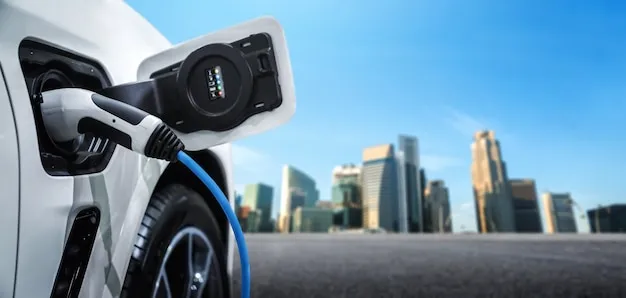
Chargers are not made equal. Three things that I seek when I plan my trips include:
- Power Rating: Does it have 50 kW fast charger or 350 kW ultra-fast charger?
- Reliability Score: I check applications such as PlugShare to check whether the charger is operational or not.
- Amenities: Will I have a clean bathroom or somewhere to get a healthy snack since I will be spending 20 minutes there?
With electric cars, it is not so much of a detective mission when it comes to charging it fast. You know how to do it, once you get the ropes.
Real Expert Opinions on Charging Speed
A fleet manager that I recently talked to converted 50 vans to electric. His contribution was straight forward: we do not need the fastest chargers in the world on all vans. We must have the right pace to the right task.
This is a great point. Though it is exciting that fast charging technology in electricity cars is a reality, however, primarily, you should do much of your charging slowly at home or at work. Take a quick charge on the edges of your driving the long-haired journeys and the big days.
Summary of Fast Charging Benefits
| Feature | Home Charging (AC) | Fast Charging (DC) |
| Speed | 6-12 Hours | 15-40 Minutes |
| Cost | Lowest (Residential rates) | Higher (Convenience fee) |
| Best For | Overnight / Daily use | Road trips / Emergencies |
| Battery Impact | Very Low | Low (with modern cooling) |
Conclusion: Why the Future is Electric
I am genuinely convinced that we are on a crossroads. The technology of charging the electric cars in a very fast way has eliminated the last barrier of entry to many people. It is clean, it is becoming even cheaper and, above all, it is fast. I am a writer and I want to assist you to make this transition.
Be it a supercar with 800 V of three hundred dollars of electric hatchback, the power is in your hands literally. Gone are the days when one smelled like gasoline!
Frequently Asked Questions
1. Can any EV use a 350 kW charger?
The vast majority of them can be plugged in, although only cars of 800 V architecture can achieve the full speed. A typical 400 V automobile will just draw a trickle of the power supply at its full rated capacity, typically about 150 kW.
2. Can one charge safely in rain?
Absolutely. The multiple-layered weatherproofing is planned in fast charging technology of electric cars. I have decided to go in flooding rain and even snowstorm without any problem.
3. Why does my car take long to charge during the winter?
Batteries resemble humans in that they do not like being cold. Cold chemistry moves slower. This is the reason why pre-conditioning (warming the battery) is significant to fast charge during winter.
4. What will the price of a faster charge be in 2026?
It depends on where you are but what you should expect when on a road trip is to spend around 15 to 30 on a substantial top-up. It continues to be relatively cheaper than a full tank of gas.
5. What is the Golden Rule of fast charging?
Don't hog the charger! When you reach 80mph, you become a snail. When you are on your way to the next stop, turn off and get out of the way of the next person (courteous) and you will spend less time on the road.




.webp)