Is Indycar Faster Than F1? A Speed and Performance Comparison



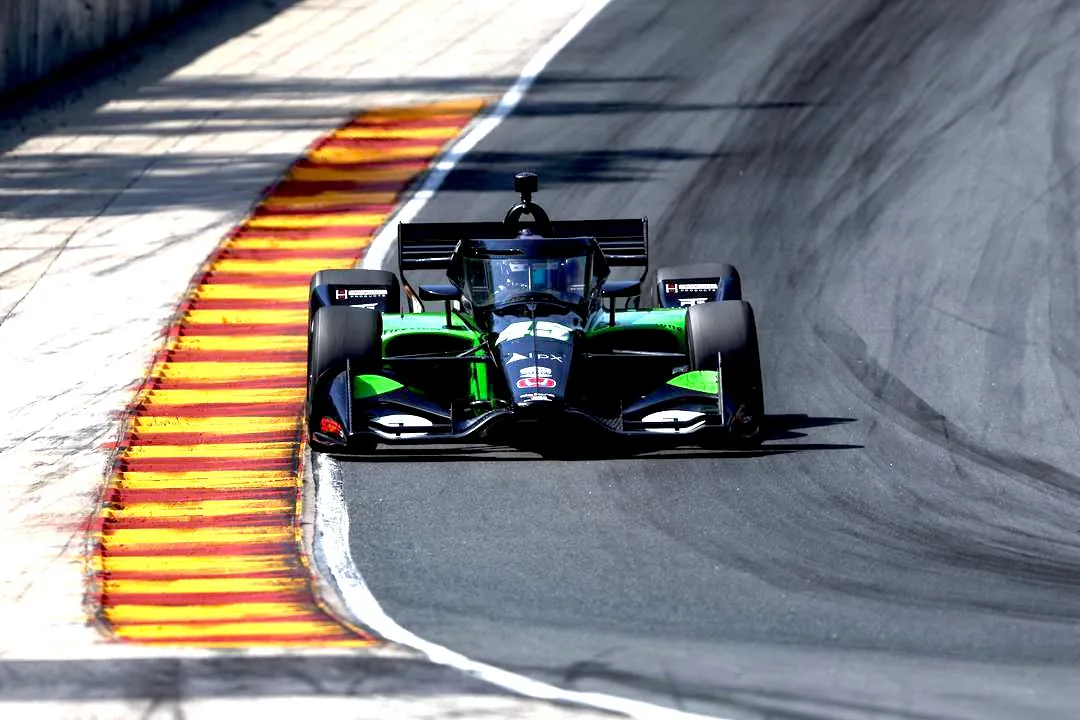
Yes, IndyCar is faster than F1 in a straight line and on certain high-speed tracks, but an F1 car is quicker over a full, changed race track and holds the extreme lap records.
That’s the speedy reply I continuously grant, but the full story is way more curiously. As a dashing fan who’s burrowed into the information and observed both for a long time, I’ve learned you can’t fair say one is "quicker." It depends totally on where and how you degree. Let me break down the "what," "why," and "how" of this classic debate.
The Straight-Line Speed Winner: IndyCar
On a long oval like the Indianapolis Engine Speedway, an IndyCar is untouchable in terms of unadulterated beat speed. This is where the fundamental distinction in car plan and hustling arrangement rules gets to be precious stone clear.
- Top Speeds: At the Indy 500, cars frequently hit best speeds of 235-240 mph in qualifying trim. In a race, they reliably run over 220 mph. The speediest recorded speed for a advanced IndyCar is 379 mph in a tow at the Texas Engine Speedway.
- Why So Quick? It’s all around the oval hustling bundle. The cars run with:
- Much less downforce (the streamlined constrain that pushes the car onto the track).
- Extremely effective 2.2-liter twin-turbocharged V6 engines.
- A center on minimizing drag so the car cuts through the air.
My takeaway: If you line them up on an unending straight, the IndyCar wins each time. Its work is to be a rocket on ovals.
The Extreme Lap Time Winner: Equation 1
Take both cars to a classic street course like Circuit of the Americas or Silverstone, and the F1 car will annihilate the lap time. The distinction can be over 10 seconds per lap, which is a lifetime in racing.
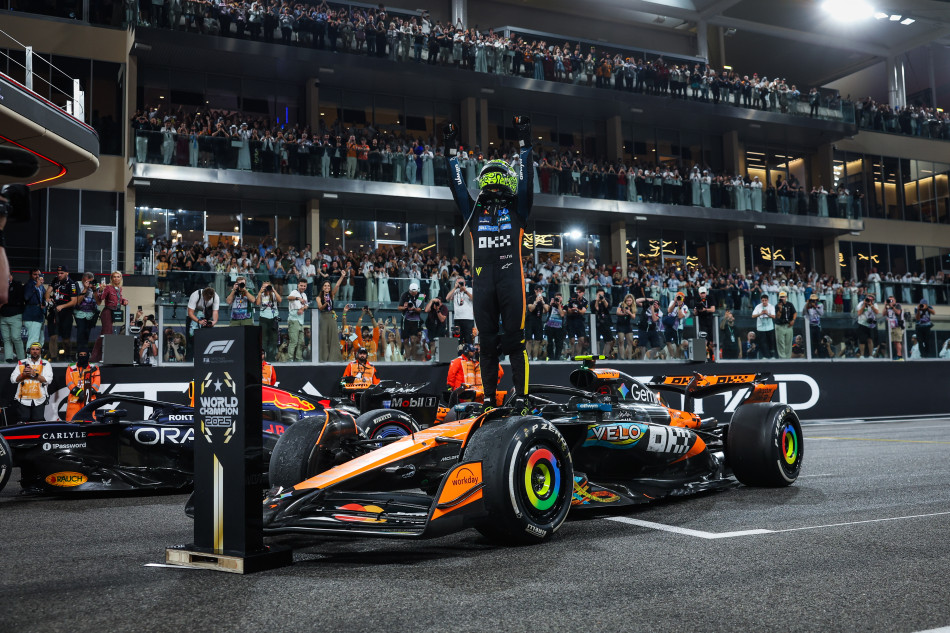
- Cornering Speed: This is where F1 sparkles. The specialized advancement in an F1 car is mind-blowing. Its complex streamlined features produce unimaginable downforce, permitting it to corner at speeds that appear physically inconceivable. You feel this as a viewer—the car looks stuck to the track.
- Power Unit Advancement: Whereas the 1.6-liter turbo-hybrid V6 motors have a lower crest drive yield than IndyCar’s, the moment electric boost from the ERS (Vitality Recuperation Framework) and the by and large vehicle execution in changing conditions is more advanced.
My individual knowledge: Observing an F1 car alter course is like observing a video diversion. The speed through complex corner groupings is its superpower.
Read Also:- Formula 1 vs IndyCar
Is IndyCar Faster Than F1 Direct: The Center Differences
To truly get it the speed address, you have to see beneath the hood—literally and metaphorically. The key contrast between IndyCar and F1 comes down to philosophy.
Designing and Plan Philosophy
- Formula 1: The Research facility. F1 is a constructor’s championship. Groups like Mercedes and Ruddy Bull construct their possess chassis (the car’s outline) and create their claim streamlined features. The rules are strict but permit for enormous specialized advancement inside them. Each minor winglet is a item of thousands of hours in a wind tunnel.
- IndyCar: The Spec Arrangement. Here, all groups utilize the same Dallara chassis and a standardized streamlined unit for street courses and ovals. There are as it were two motor producers (Honda and Chevrolet). The center is on driver ability, group technique, and near, competitive wheel-to-wheel hustling with a level playing field.
Track Sorts and Dashing Formats
This is the greatest figure most individuals overlook.
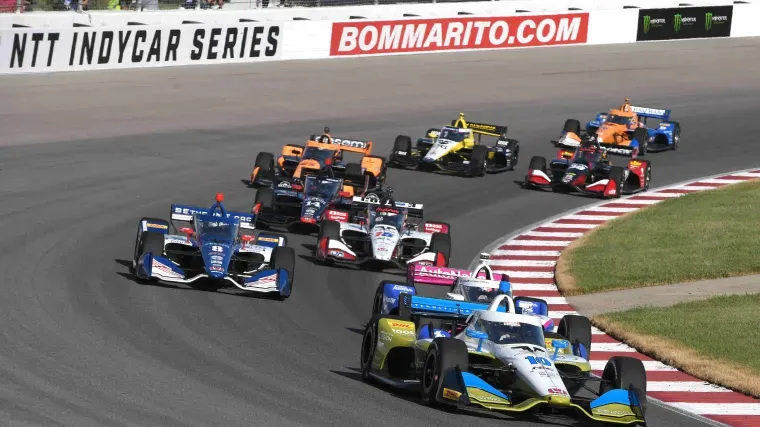
IndyCar Plan: It’s a blended plan. They race on:
- High-speed ovals (Indy 500, Texas)
- Street circuits (Long Shoreline, Toronto)
- Permanent street courses (Street America, Laguna Seca)
The car must be a ace of all exchanges, which is a tremendous challenge for engineers and drivers.
- Formula 1 Calendar: Barring Monaco (a special moderate road circuit), F1 races nearly solely on changeless street courses planned to test each perspective of a high-downforce car. There are no ovals.
A straightforward way I think around it: An F1 car is a surgeon’s surgical blade, idealize for one particular assignment. An IndyCar is a especially sharp Swiss Armed force cut, built to handle anything.
Is IndyCar Faster Than F1 Direct: Coordinate Comparisons
We seldom get to see these cars on the same track, but we have a few information points.
Lap Time Comparisons at Comparative Tracks
- Circuit of the Americas (COTA): The F1 shaft position lap is routinely 10-15 seconds quicker than the IndyCar post lap. That’s the clearest prove of F1’s cornering dominance.
- Indianapolis GP Circuit (Street Course): Same story here. The F1 car (when they dashed there) was numerous seconds per lap quicker.
The "What In case" Scenario
I frequently get inquired: "What if you swapped them for one race?" Here’s my taught guess:
- Put an F1 car on the Indianapolis oval: It likely couldn’t handle the maintained loads and need of downforce. It wouldn’t be competitive and would be unsafe.
- Put an IndyCar on Monaco: Its need of downforce and diverse controlling geometry would make it moderate and clumsy in the tight corners.
It demonstrates they are devices built for totally diverse jobs.
Beyond Beat Speed: What Makes Each Arrangement Exciting
Speed isn’t fair a number. It’s approximately the feeling of the race.
- The Excite of IndyCar: For me, the fervor comes from the near competition and differing qualities. The pack dashing at 220+ mph at Texas is heart-stopping. The methodology and aptitude at the Indy 500 are unmatched. Since the cars are more break even with, the dashing activity is regularly closer and more unpredictable.
- The Display of F1: F1 is around seeing the top of motorsport innovation. The speed is in the detail—the accuracy, the technique, the driver overseeing complex frameworks whereas on the restrain. When fights happen, they are strategic and high-stakes.
Read More:- IndyCar History of the IndyCar Series
Faq's:
Q: Is IndyCar faster than F1?
No. Formula 1 cars are generally faster overall, especially on road and street circuits.
Q: Can IndyCar drivers go to F1?
Yes. IndyCar drivers can move to F1 if they secure enough Super Licence points and an F1 team contract.
Q: Has anyone won both F1 and IndyCar?
Yes. Mario Andretti won both the Formula 1 World Championship and the IndyCar Championship.
Q: Has F1 ever raced at Indy?
Yes. Formula 1 raced at the Indianapolis Motor Speedway from 2000 to 2007.
Q: Why did F1 stop going to Indy?
F1 stopped racing at Indy due to declining attendance, high hosting costs, and the 2005 tyre controversy.
Q: Has anyone gone from Indy to F1?
Yes. Notable drivers include Mario Andretti, Juan Pablo Montoya, and Alex Zanardi.
Q: What are the top speeds of IndyCars?
IndyCars can reach approximately 380–390 km/h on oval tracks.
Q: Who is the highest-paid IndyCar driver?
Scott Dixon is widely reported as the highest-paid IndyCar driver, earning around $6–7 million per year.
Q: What is the average salary of an F1 driver?
The average Formula 1 driver salary is approximately $5–6 million per year, with significant variation between top drivers and rookies.


.webp)