What Makes Motogp Different From Motogp Street Bikes
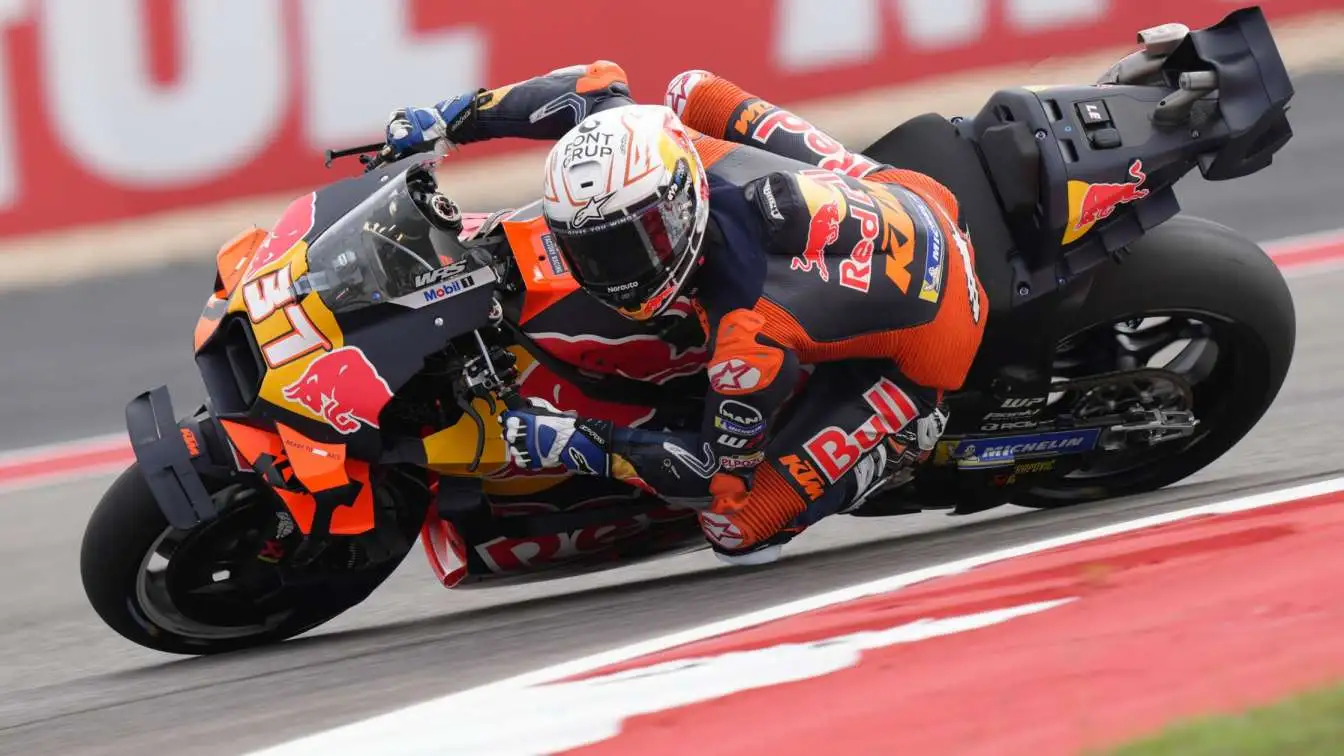
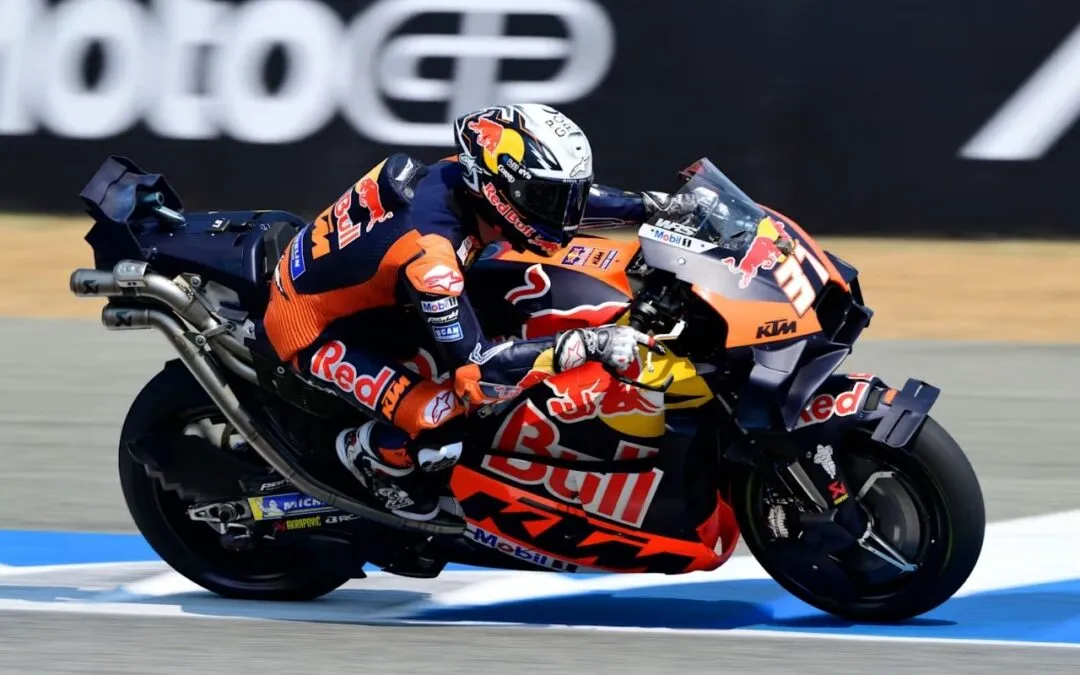

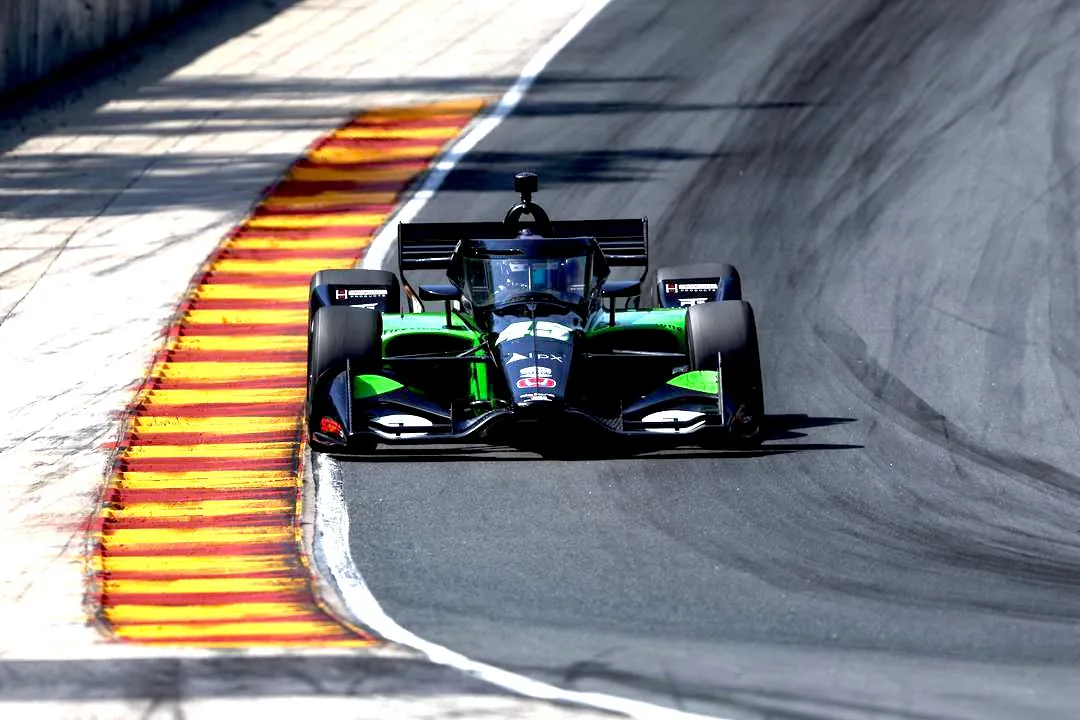
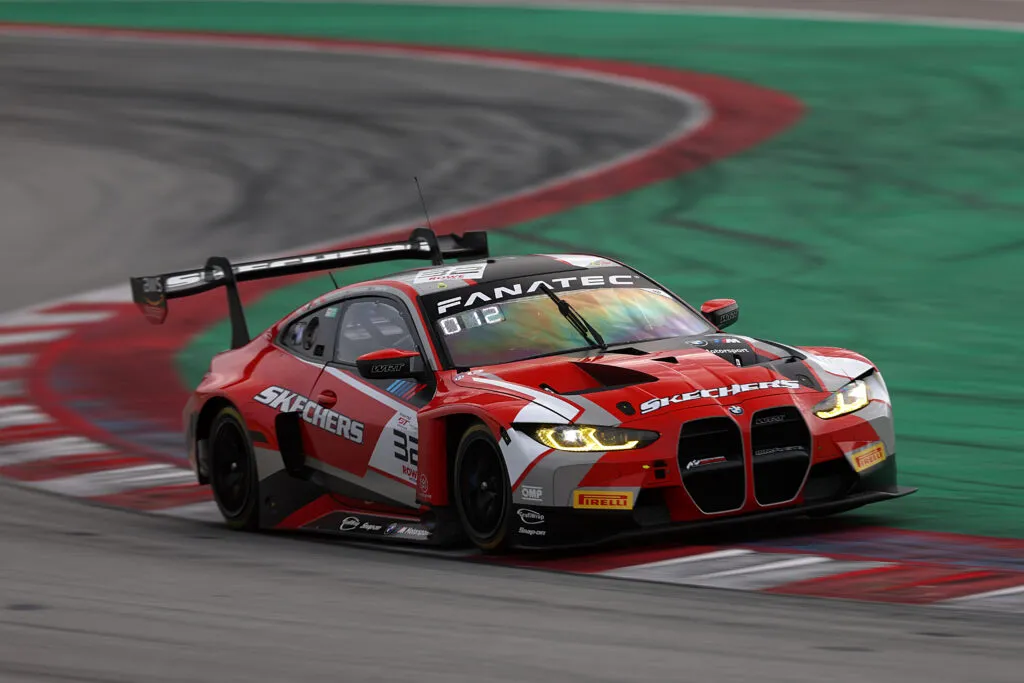
I can still picture my first MotoGP race in person. That engine roar crashed over everything like a storm, and the bikes zipped by so fast my usual street bike felt like some slow pedal bike from back in the day. It's not just about speed with MotoGP—think wild engineering tricks meant strictly for race tracks, nothing like battling city traffic. Your everyday bike? It's all about getting you to work, slipping around cars and puddles without fuss.
The big splits come down to screaming motors, those crazy wings keeping 'em glued down, and tech that's basically tomorrow's stuff today. Stick with me as I lay out the real diffs, power versus practicality and all. Ever ask yourself why you can't snag a MotoGP bike for your driveway? Here's the straight scoop, no filler.
The Unique Features of MotoGP Bikes Explained
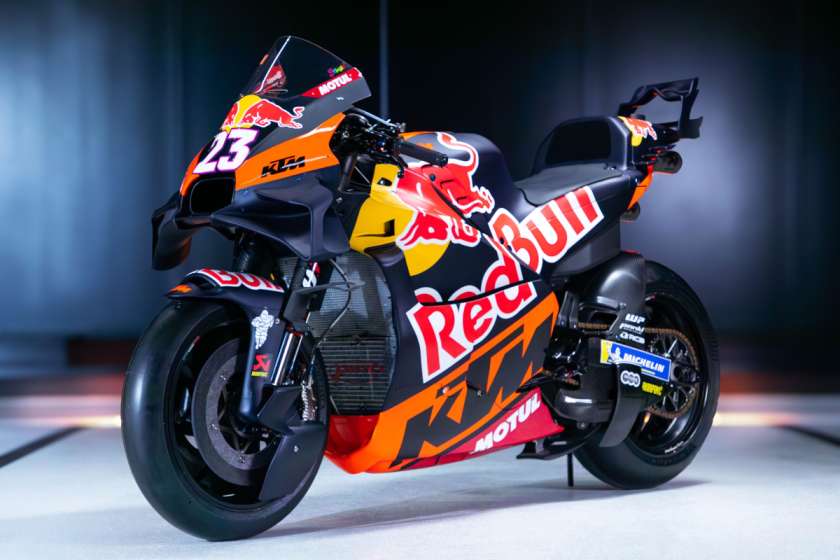
Engines mark the biggest chasm between MotoGP machines and street bikes. MotoGP's 1,000cc prototypes unleash over 250 horsepower, revving wildly to 18,000 RPM for those grueling 45-minute track wars—untamed power at its peak. Street bikes cap at 150-200 hp, prioritizing gutsy low-RPM torque for effortless pulls from standstill amid traffic jams, minus the vibration drama.
The standout edge in MotoGP engines over superbikes? Ultra-smooth, hiccup-free gearboxes that glide through shifts, compared to the solid, gear-clunking setups on streets made for daily durability.
What makes MotoGP bikes faster than street bikes hits hard in acceleration. From standstill, they rocket to 100 mph in under 3 seconds. I once timed a superbike on a drag strip—impressive, but no match. MotoGP fuel injection maps power perfectly per track corner.
Street setups prioritize emissions and longevity, sipping fuel for your commute. MotoGP bike horsepower vs street bike horsepower feels unfair, but tracks demand it. Riders nurse these engines like fragile eggs; one weekend, then rebuild.
You may also read :- MotoGP Engine Evolution: Past, Present, and Future
Aero and Handling Secrets
Lean into a MotoGP corner, and aerodynamics explained for beginners makes sense—those winglets push the bike down, fighting lift at 200 mph. MotoGP aerodynamics let riders tilt to 65 degrees, tires screaming for grip. Street bike vs race bike comparison shows road machines with smooth fairings for wind comfort, not downforce drama. No wings on your daily ride; they'd snag on speed bumps.
How MotoGP motorcycles differ from production bikes shines in chassis flex. Carbon frames weigh peanuts, twisting just right for feedback. Street frames beef up with steel for crash protection. I felt this on a track day—my street bike wobbled wide; race replicas hug lines tight.
Racing motorcycle vs road motorcycle handling favors agility over upright stability. MotoGP teams tweak aero mid-weekend, chasing tenths. Street mods? A belly pan adds style, minor drag cut.
- Practical bit: Hang off your street bike in turns to mimic pros, but ease in—tires thank you.
- Key takeaway: MotoGP aero glues it down; street handling keeps you comfy and safe.
Brakes and Tires That Grip
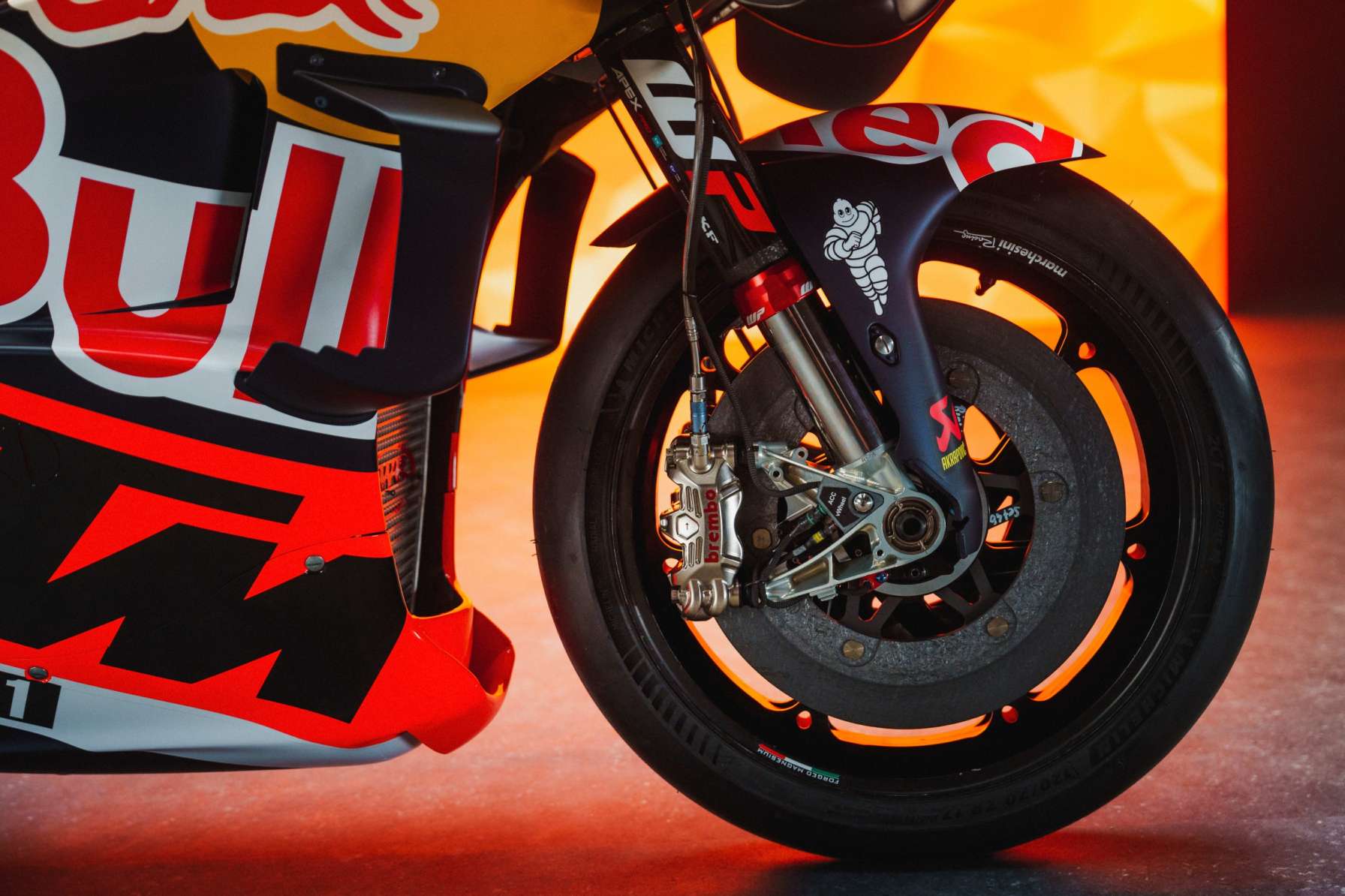
Pull the lever on a MotoGP, and MotoGP braking system vs street bike brakes feels telepathic. Carbon discs and monster calipers haul from warp speed without fade, trail-braking into apexes. Street brakes use steel rotors with ABS for wet-road mercy—reliable, not razor-sharp. MotoGP bike technology shines here; sensors predict lockups before they happen.
Tires tell the tale too. MotoGP slicks melt for ultimate dry grip, gone after 100 miles. Street rubber treads through puddles, lasting seasons. MotoGP bike vs normal bike speed comparison leans on this—racers warm tires religiously, sliding on edges. My street tires saved me from a gravel slide once; race slicks would've spun out.
Narrative on choices: MotoGP picks soft fronts for turn-in bite, hards for rear drive; street all-rounders juggle it all. Pro riders feel every compound shift. Upgrade street brakes with braided lines for bite—feels alive without track costs.
Tech and Electronics Overload
Flip a switch, and MotoGP electronics wake up—traction control, wheelie curbs, engine maps galore. MotoGP technology vs commercial motorcycles overflows with data streams tweaking power mid-lean. Street bikes offer modes like "sport" or "rain," smoothing throttle for newbies. Can you ride a MotoGP bike on the road? Laughable—no lights, and that tech demands pro reflexes.
Why MotoGP bikes are not street legal screams from the ECU. Launch control catapults off lines; street traction nannies prevent wheelspins in rain. I demoed a race sim—overwhelming until tuned right. MotoGP performance comparison logs every lap for tweaks. Street dashboards show speed and fuel, keeping it simple.
- Insider hack: Street riders, enable all modes and practice—it's free MotoGP flavor. Teams sweat over software updates; your bike's plug-and-play.
- Key takeaway: MotoGP tech is pilot assist; street electronics are safety coaches.
Design, Cost, and Ride Reality
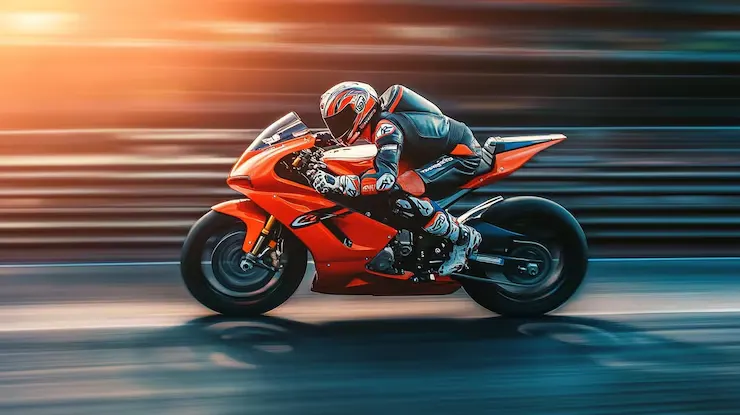
MotoGP bike features scream minimalism—350 pounds of titanium and carbon, quick wheels for pits. Street bikes bulk to 450+ pounds with guards and racks for luggage. Difference between racing bikes and street bikes hits wallets too: Millions per season versus $15k out-the-door.
Riding feels alien. MotoGP pros dangle knees, bodies sculpting lines. Street posture stays neutral for hours. MotoGP bike vs normal bike speed comparison thrives sans cops; roads cap fun quick. Durability? Race bikes trash after grands prix; street ones clock decades.
From experience, track rentals bridge the gap—feel the lightness without ownership pain. Why chase replicas? They hint at glory affordably. Practical: Lighten your street bike's chain and exhaust for race vibes daily.
Frequently Asked Questions
What makes MotoGP bikes faster than street bikes?
MotoGP bikes win with sky-high revs, lightweight parts, and aero downforce. They hit speeds street bikes can't touch safely, all tuned for track bursts.
Why are MotoGP bikes not street legal?
They're missing lights, mirrors, and emissions gear. Plus, insane power and track-only tires make roads deadly.
Can you ride a MotoGP bike on the road?
No way—it's built for circuits only. No safety features for traffic, and it'd shred tires instantly.

.webp)