F1 Technology Explained: The Ultimate Guide to Formula 1 Engineering
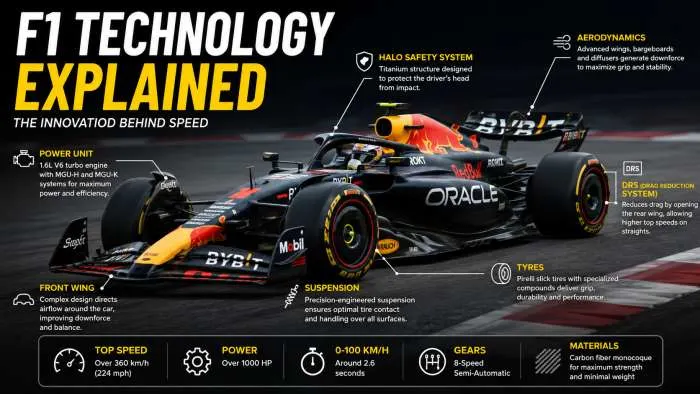


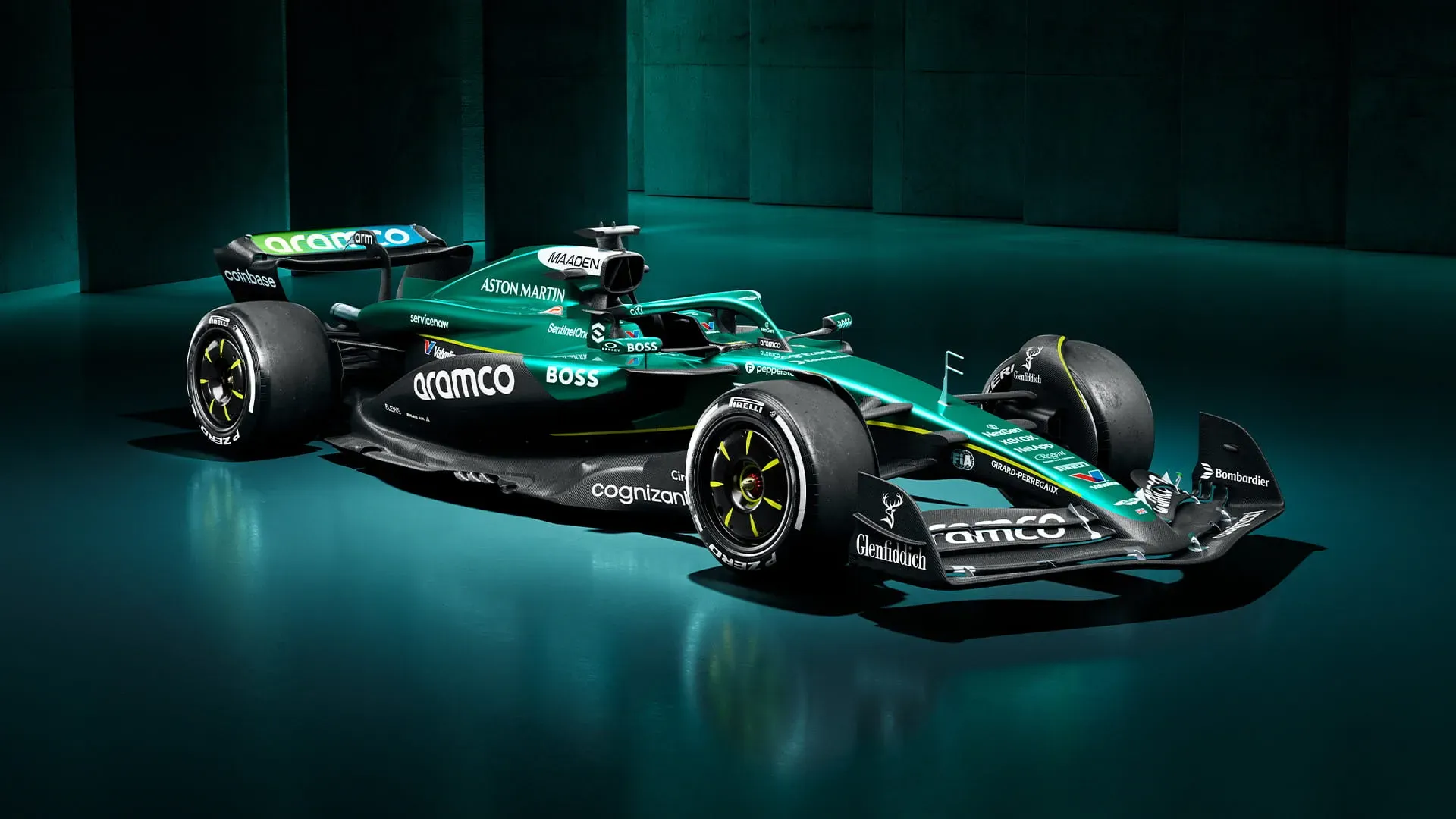




Formula One cars are the fastest cars on earth! This easy-to-understand guide to f1 technology explains how these cars can win races using cutting-edge engineering. The engines on these vehicles are V6 turbo hybrid engines that power these cars at over 1,000 horsepower. They also help to utilize wings and floors to generate downforce which gets the car on the track to be able to corner at high speed. The vehicles are clad in lightweight carbon fiber and hundreds of sensors feed real-time data to engineers. In brief, F1 cars are computers on wheels, designed to be as fast and safe as possible.
Formula 1 Technology: the engineering explained
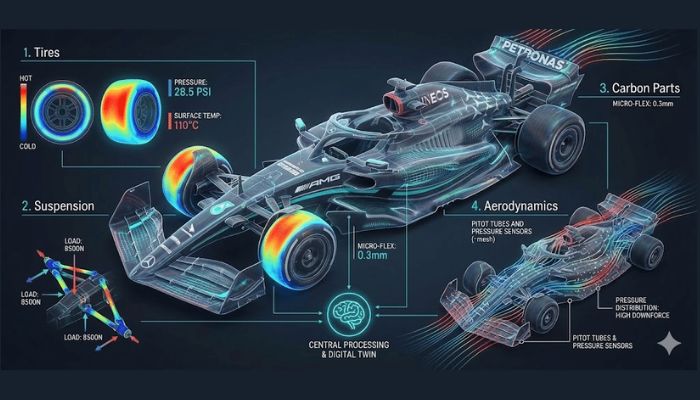
I have spent years watching races and talking to motorsports engineers. F1 is not just about fast drivers. It is a competition between the best minds in the world. Every part of the car has a special job.
Teams change these cars every single week. They look for tiny gains. A fraction of a second can mean the difference between winning and losing. Let us break down how these amazing machines work in plain language.
You may also read :- Should F1 Introduce New Livery Rule Or Technology
The Secret Power Behind the Speed
The engine is the heart of a Formula One car. F1 cars do not use regular car engines. They use something much more advanced.
Why F1 technology explained makes engines so special
The modern F1 power unit has two main parts. It features a 1.6-liter V6 turbocharged engine. It also features a complex electric hybrid system. These two systems work together to create incredible speed.
The hybrid part traps energy that usually goes to waste. It catches heat from the exhaust pipe. It also catches heat from the brakes when the car slows down. The car stores this extra energy in a large battery pack. Drivers use this electric power to accelerate faster out of slow corners.
How Wings Push the Car Down
Air can slow a car down, or it can make it faster. F1 teams spend millions of dollars to control the wind. This study of airflow is called aerodynamics.
Pushing the car to the ground for fast corners
When you look at an F1 car, you see big wings on the front and back. These wings work like upside-down airplane wings. An airplane wing lifts the plane into the sky. An F1 wing does the exact opposite.
The wings push the car down into the asphalt. This extra push creates traction. It allows the drivers to take sharp turns at speeds that would flip a normal road car.
Using the floor to create a vacuum
The bottom of the car is just as important as the top wings. Modern F1 cars use tunnels underneath the floor. These tunnels pull the air out from under the chassis very quickly.
This fast air creates a low-pressure vacuum zone. The vacuum sucks the race car straight down to the track surface. Engineers call this aerodynamic trick ground effect. It keeps the car stable when racing at 200 miles per hour.
Inside the Famous Mercedes F1 Technology Explained
Some teams do a wonderful job building these fast machines. Mercedes is a great example of an elite racing team. They won eight world titles in a row because of their engineering choices.
The secrets of the silver arrows
The Mercedes f1 technology explained story focuses on integration. They made their engine and their chassis fit together perfectly. They minimized spaces inside the car body to make the outside extra slim.
Mercedes also built incredible cooling systems. Their radiators sit in tight sidepods along the driver. This shape keeps the air flowing smoothly to the rear wing while keeping the hot engine cool.
Steering Wheels That Work Like Computers
An F1 steering wheel has more buttons than a video game controller. It does far more than just turn the front wheels left and right.
Giving the driver complete control
Drivers change settings on the wheel during every single lap. They turn dials to change how the brakes feel. They press buttons to talk to their mechanics in the pit lane.
The wheel has a bright screen in the middle. This screen shows speed, gear choices, and lap times. It even warns the driver if the tires get too hot.
Carbon Fiber and Safety Cells
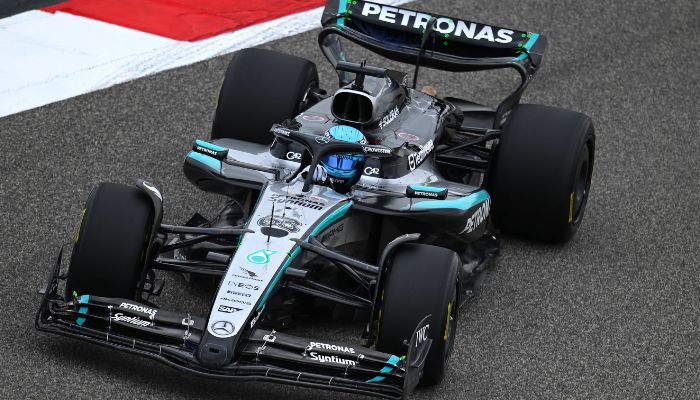
Formula One is a dangerous sport, but modern technology keeps drivers safe during heavy crashes.
Building a protective shield out of light materials
The main body of the car is the survival cell. People also call this part the monocoque. Teams build this tub out of carbon fiber. Carbon fiber is twice as strong as steel, but it weighs much less than aluminum. It absorbs the energy of an impact so the driver does not take the hit.
"The carbon fiber survival cell is the most important safety item on the car. It saves lives every single season." — Famous Motorsports Engineer
Real-Time Data and Team Strategy
An F1 car has over 300 sensors attached to it. These sensors check everything from tire pressure to fuel levels.
How engineers win races from the garage
The sensors send live data through radio waves to the pit wall. Teams read this information instantly on computer screens. If a tire shows a tiny leak, the engineers see it before the driver does. They tell the driver to come in for a quick pit stop. This constant teamwork keeps the car running perfectly.
Humanizing the Sport: The Driver's Physical Battle
We see the technology, but we must also look at the human being inside the cockpit. Driving an F1 car feels like riding a rocket ship.
Fighting massive forces on every lap
Drivers experience heavy gravitational forces when they brake or turn. These forces push against their necks and bodies. The inside of the cockpit also gets incredibly hot during a summer race. Drivers sweat away several pounds of water weight during a single Grand Prix event. They need immense physical strength to control these high-tech machines.
Summary of Core F1 Technical Elements
| Technology Part | Main Job | Material Used |
| Power Unit | Generates 1000+ horsepower | Aluminum and Titanium |
| Front and Rear Wings | Creates downforce for turns | Carbon Fiber |
| Underfloor Tunnels | Sucks car to the track | Carbon Fiber |
| Sensors | Sends live data to pit wall | Electronics |
Frequently Asked Questions
1. What is the main source of power in an F1 car?
An F1 car uses a hybrid power unit. It combines a 1.6-liter V6 turbo engine with an Energy Recovery System (ERS). The ERS captures energy from braking and exhaust heat. This system gives the car a big power boost and makes it much more efficient .
2. How does the Energy Recovery System (ERS) work?
The ERS uses two motor generators. The MGU-K captures energy during braking. The MGU-H captures energy from the hot exhaust gases . This energy is stored in a battery. The battery power is then used to give the car a boost of up to 161 horsepower.
3. What is the difference between KERS and ERS?
KERS was the older system used from 2009 to 2013. It only recovered braking energy. ERS, used from 2014 onwards, also recovers heat energy from the exhaust. ERS is much more powerful and gives the driver more performance .
4. How does DRS (Drag Reduction System) work and when is it used?
DRS opens a flap in the rear wing. This reduces drag and increases top speed. A driver can use it on specific parts of the track, called DRS zones. The driver must be within one second of the car ahead to use it .
5. What is the most important aerodynamic part of a modern F1 car?
The floor is the most important part. Since 2022, F1 cars use ground effect. The floor creates massive downforce by using the air flowing under the car. This is where teams spend the most time and money developing their cars .



.webp)