Driving an IndyCar for the First Time: Raw Track Review
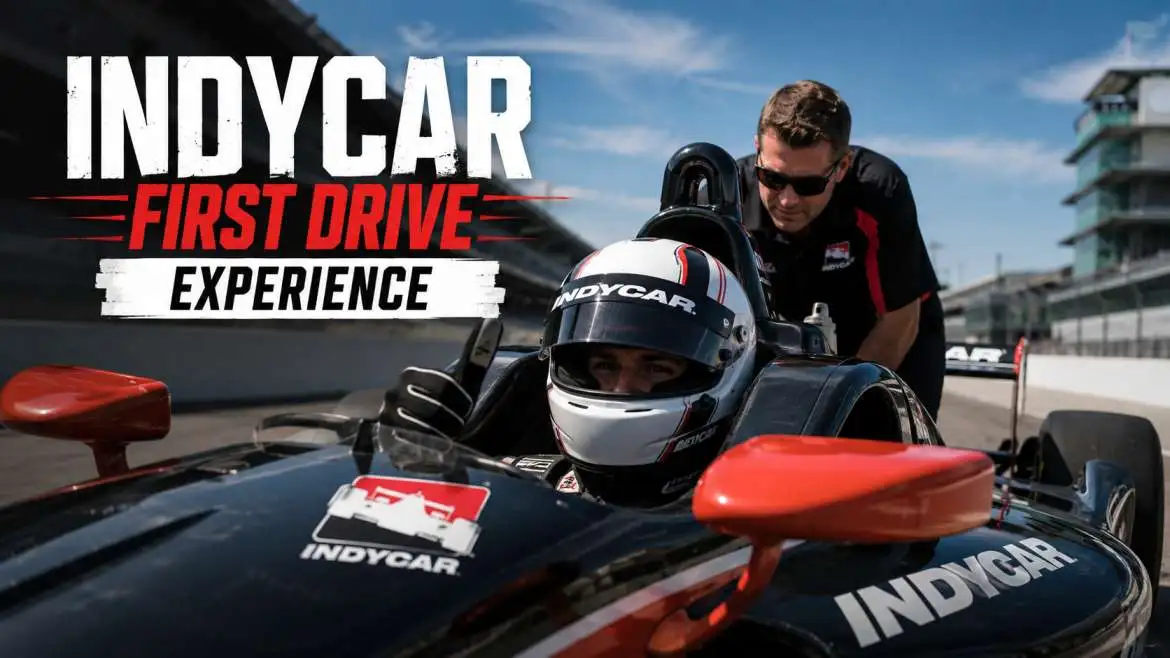
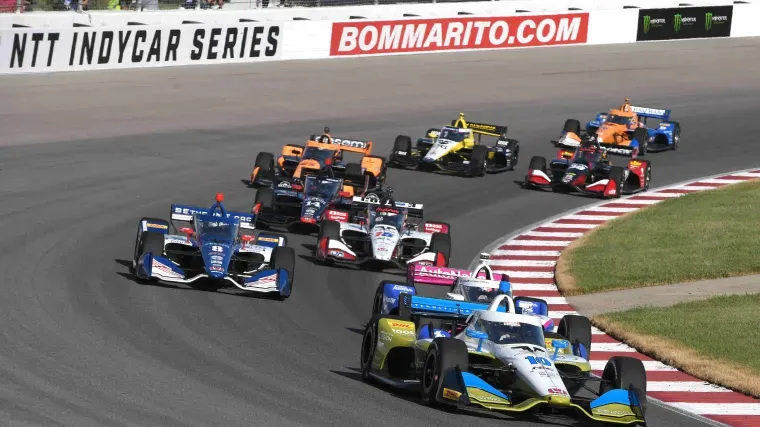
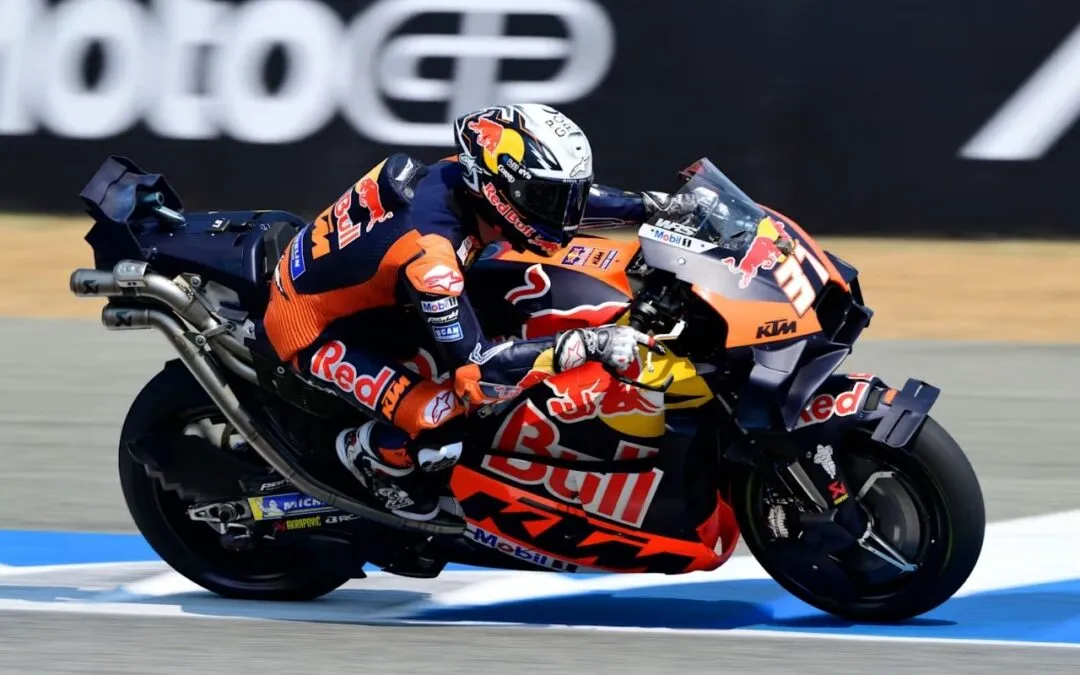

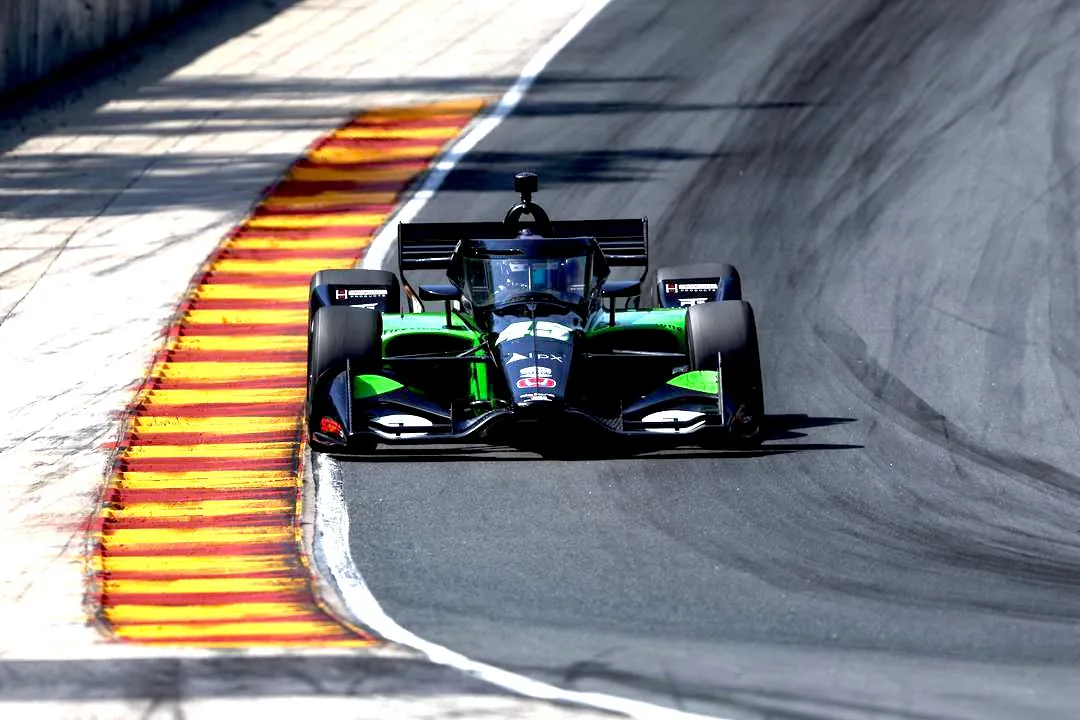
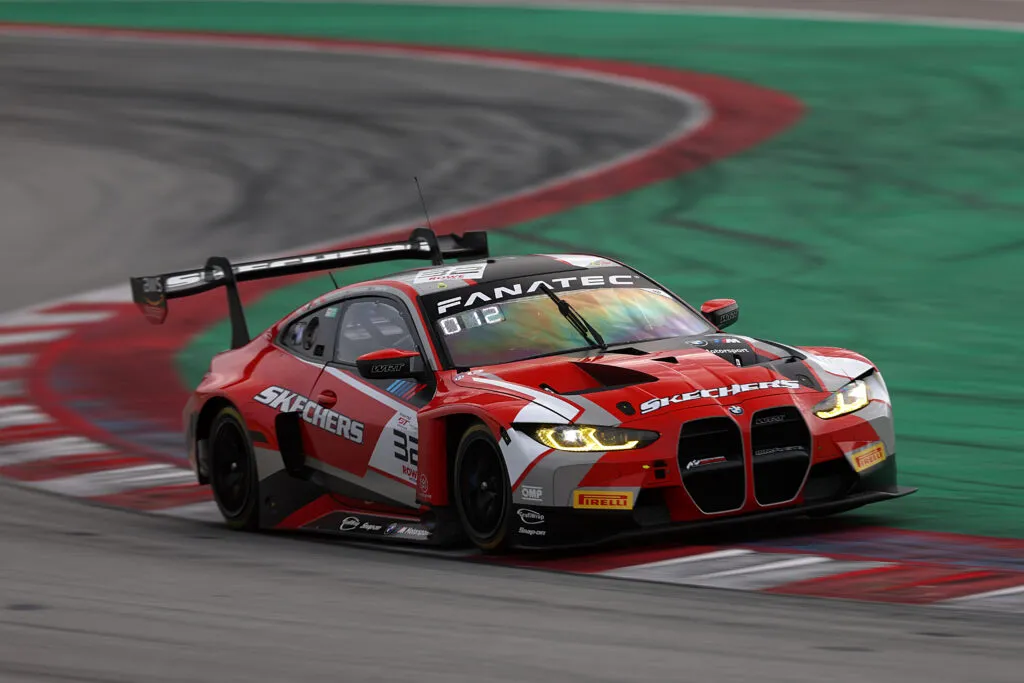
Tired of just sitting in the aluminum bleachers watching other guys have all the fun? A real IndyCar first drive experience throws your butt right down into the cramped bucket seat of a nasty, 700-horsepower open-wheel race car. You stomp your right boot flat on the gas pedal, listen to the motor scream right against your neck, and rocket down the asphalt track at over 130 miles per hour.
This whole track day package covers your safety gear fitting and gives you live radio coaching while you run fast laps. No simulator can match this raw feeling of fighting the heavy cornering forces and crazy acceleration that pro drivers handle every single weekend.
What to Expect from an Indycar First Drive Experience?
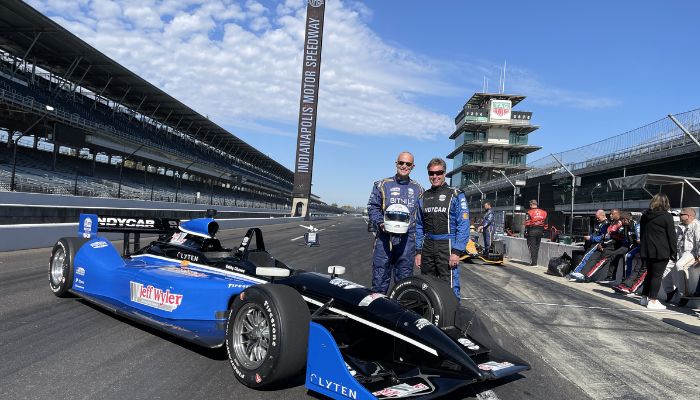
You grab your gear and walk out to the pit lane, where the noise just clobbers your ears. Engines are screaming so loud your teeth rattle, and the whole place stinks like hot, burnt tires. If you spent your life watching these races on a screen, this is the exact second where things get scary real. No more video games or sitting on the couch; your hands are actually going to turn the wheel.
First, you hit a greasy folding table by the gate to sign away your rights on the track waivers. You meet some old track veterans, show your driver's license, and walk over to where the cars are sitting over the concrete lines. Your stomach completely drops the moment you look down at those wide, flat tires and realize you are the one who has to launch it.
Putting on Your Professional Racing Gear
Before you can touch the car, you have to dress like a pro. The crew hands you a heavy, fire-resistant racing suit, a tight full-face helmet, and thin professional gloves. This special safety gear protects your body and instantly changes your mindset.
The helmet squeezes your cheeks tightly, which keeps your neck safe at high speeds. Once you zip up that heavy canvas suit, your nervous energy turns into total focus. You are now fully dressed and ready to learn the rules of the road.
You may also read :- F1 Driving Experience: How to Drive a Formula 1 Car (Cost, Locations & Tips)
The Vital Safety Briefing and Driver Training
Safety stays the top priority during a high-speed track day. You will spend about an hour in a small classroom with old-school racing coaches. They explain exactly how these lightweight cars handle and how to respect the scary amount of power under your right foot.
Instructors use big track maps to point out the safest paths around the oval banks or road course corners. You will learn exactly where to slam the brakes, how to aim your nose into turns, and when to squeeze the gas. Listening to these small details keeps you safe and ensures you get your money's worth.
Learning the Meaning of Track Flags
The coaches teach you the simple visual language of the track. Flags are the only way the officials can talk to you while you drive at high speeds.
- Green Flag: The track is totally clear; drop the hammer.
- Yellow Flag: Trouble ahead; slow down right away and do not pass anyone.
- Red Flag: Danger; stop carefully in a safe spot on the asphalt.
- Checkered Flag: Your time is up; slow down and roll back into the pits.
Mastering the Specialized Cockpit Controls
An Indy-style car looks nothing like your daily driver at home. The tiny steering wheel features bright buttons and a small digital screen. Your coach will show you how to read the glowing dashboard lights.
You will also look down at the tiny, cramped footwell. The gas pedal and the brake pedal sit incredibly close together. Getting comfortable with these tight controls gives you the confidence to drive fast without making a mistake.
Getting Inside the Cockpit of an Open-Wheel Race Car
Walking out to the concrete pit lane makes your heart thumping. The low-slung cars look incredibly fast even when they are parked over the white lines. A crew member grabs your arm to help you step over the side pod and slide down into the tiny cockpit.
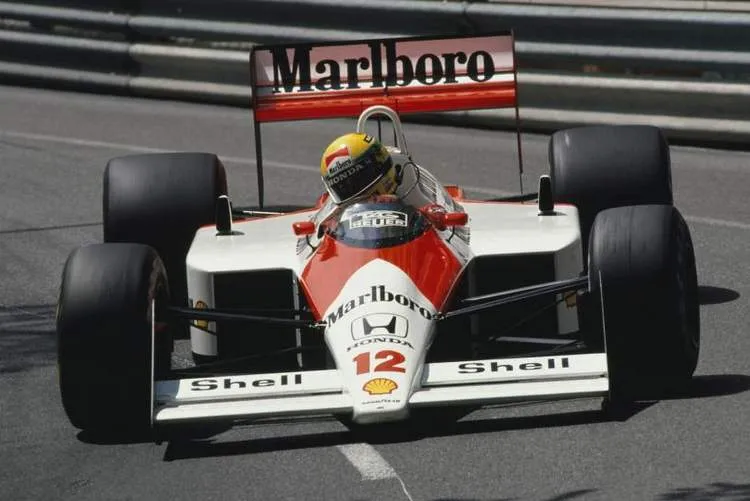
You drop into the hard, molded bucket seat, stretching your legs straight out in front of your body. The position feels weird because your butt sits just inches off the actual ground. Your view of the sky is huge, with only a tiny plastic windscreen protecting your face.
Securing the Five-Point Safety Harness
A crew guy leans over you and pulls a heavy five-point harness across your chest and lap. He yanks the straps down hard until you can barely take a deep breath. This tight hold keeps you completely safe and glued to the metal frame.
Next, the technician plugs a wire from your helmet into the radio system. You will hear a loud click, followed by the calm voice of your personal driving coach. They will talk to you through every single turn on the track.
The Moment the Engine Roars to Life
The crew chief locks eyes with you and signals to fire it up. A loud, high-pitched scream cuts right through your seat and rattles your spine. The whole carbon-fiber tub shakes beneath you like a caged animal.
Your coach barks through your headset to pull the lever back into first. You ease off the heavy clutch pedal and roll away from the grey pit wall, making your heart jump into your throat. You are actually driving a real open-wheel race car on a legendary track.
Mastering the Racing Line During Your High-Speed Laps
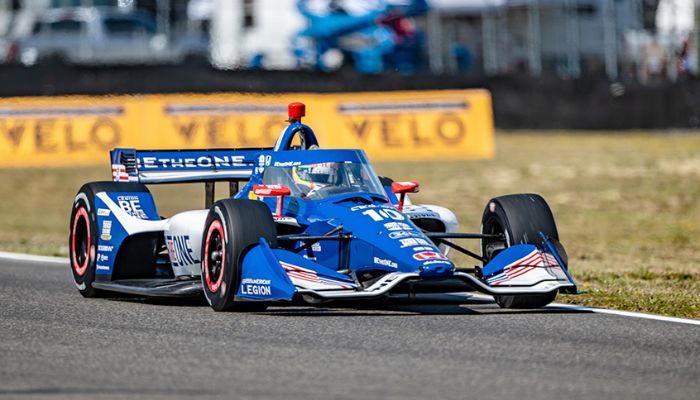
As you steer onto the main track, the world blurs out instantly. Your coach speaks directly into your ears, telling you exactly where to point the nose. Following this advice helps you find the perfect path, which racers call the racing line.
The car reacts to your hands immediately. If you twitch your wrists a millimeter, the front tires dart that way. The steering feels incredibly heavy because these raw machines do not have power steering helpers.
How to Conquer the Corners Safely
To go fast around a track, you have to stomp on the brakes before you start turning. Pushing that stiff pedal slows the car down in a straight line.
"Most beginners are afraid to push the brake pedal hard enough. These cars need high brake pressure to create aerodynamic downforce and grip the asphalt."
— Mario Andretti, Racing Legend
Once you hit the middle of the turn, you look through the curve toward the exit. You slowly feed the engine more gas and let the car drift toward the outer wall. The sticky grip from those wide racing tires feels like absolute magic.
Experiencing Pure Acceleration on the Straightaways
When the track straightens out, your coach yells, "Go, go, go!" You stomp the throttle pedal completely flat against the floorboards.
The sudden push slams your shoulders deep into the seat padding. The wind tears past your helmet with a deafening roar. The concrete walls blur together as you click through the gears, hitting speeds you never thought you could reach.
The Physical and Mental Demands of Open-Wheel Racing
You can't let your mind wander for even a second at 130 miles per hour. Forget about your day job or checking the dash. Your eyes must stay glued to the asphalt way down the track.
Your body takes a real beating with every lap you finish. The stiff steering wheel tears up your forearms and shoulders. Your neck muscles will ache from fighting the heavy wind and the brutal side-to-side forces inside those fast, banking turns.
Managing the Intense Cockpit Heat
That seat turns into an oven after just two minutes on the asphalt. The big engine bolts right against your spine, dumping raw heat through your thick race suit.
Sweat immediately runs down your nose and pools up inside your helmet. Fighting that brutal heat while trying to steer a heavy wheel shows you why pro drivers are real athletes. It changes how you look at the whole motorsport adventure.
Staying Calm Under Serious Pressure
It is very easy to get scared by the blinding speed and the loud exhaust. Your coach will remind you to breathe out on the long straightaways.
Staying relaxed helps you make smoother hand movements on the wheel. Smooth driving always equals faster times. By your final two laps, you will feel completely connected to the machine.
Why Every Racing Fan Needs an Indycar First Drive Experience
This track day is way better than a simple gift card or a plastic roller coaster ride. It gives you a real, honest look into the dangerous world of top-tier racing.
You instantly understand the incredible fitness needed to race these cars on TV. Watching a race on Sunday feels totally different after your own hands have held that steering wheel.
Comparing Different Racetrack Driving Experiences
Many fans ask how an open-wheel ride compares to driving an exotic supercar or a heavy stock car. Every vehicle feels completely different on the track.
| Experience Type | Horsepower | Weight | Driving View |
| Open-Wheel Indy Car | 700 HP | 1,600 lbs | Open Cockpit, Wheels Visible |
| NASCAR Stock Car | 650 HP | 3,400 lbs | Enclosed Steel Roof, Full Windshield |
| Exotic Supercar | 600 HP | 3,200 lbs | Luxury Cabin, Road Car Controls |
An Indy-style car weighs way less than a stock car or a Ferrari. This low weight means it stops faster, accelerates harder, and grips the track like a rollercoaster. It is the closest thing to flying a fighter jet on the ground.
How to Prepare for Your Ultimate Track Day Adventure
To get every bit of value from your driving package, you need to prepare your body before you arrive. Being ready makes the fast laps way more fun.
Showing up fresh means your eyes and hands will move faster. Quick reflexes mean you can follow your coach's radio notes instantly, making your laps smoother and much faster.
Frequently Asked Questions About Driving an Indy Car
Do I gotta know how to drive a stick shift?
Nope, not at all. Don’t sweat the clutch pedal stuff because the pit crew handles the annoying part of getting the car rolling from a dead stop. Once you crawl out onto the main track, you just click simple clicky paddle shifters right on the back of the steering wheel to change gears. It is way easier than driving a normal manual car.
How fast am I really gonna go out there?
Most regular folks end up clicking past 130 or 150 miles per hour when they hit the long straightaways. But listen, nobody is forcing you to scare yourself. How fast you actually go is totally up to you, your own guts, and how well you listen to your instructor talking in your ear.
Can I bring my friends and family to watch?
For sure, bring the whole gang along to check it out. The track has spots right behind the pit wall and up in the main stands where your crowd can hang out. They can easily take videos and grab photos of you screaming down the front stretch.
.webp)