How To Understand Formula 1 Racing


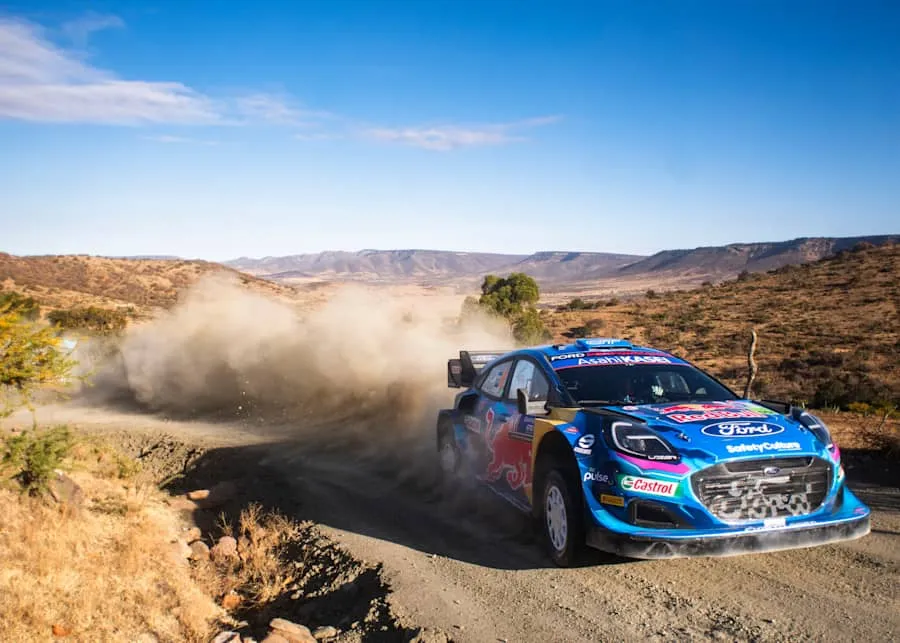
Formula 1 is a motorsport where ten teams build their own cars and race them on tracks around the world. The driver who crosses the finish line first after the set number of laps wins the race. The driver with the most points at the end of the season becomes the World Champion.
That is the simple version. The full picture involves tire choices, fuel loads, pit stops, race strategy, and rules that shape every decision a team makes on a Sunday afternoon. This guide walks through each piece in plain language so you can watch a race and know what is actually happening.
What Makes Formula 1 Different From Other Racing?
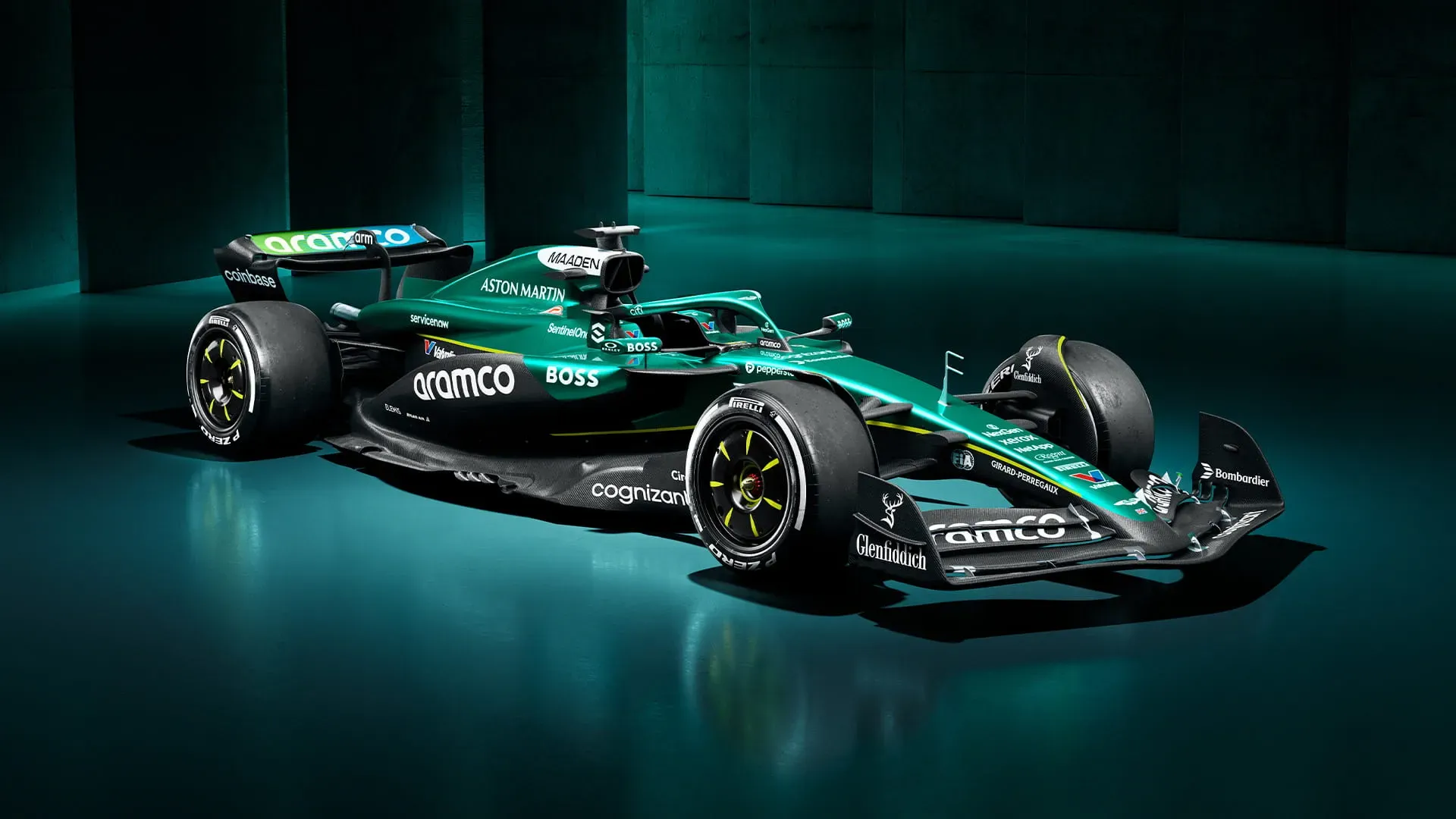
Most racing series use cars that are built to a shared set of rules and are often based on road-going models. Formula 1 is different. Each team designs and builds its own car from scratch, within a technical rulebook that sets limits on size, weight, engine design, and aerodynamic features .
That means every car on the grid is a unique machine. Some teams get the design right and run at the front. Others miss the mark and spend the season trying to catch up. The gap between the fastest and slowest car can be over a second per lap, which is enormous in a sport decided by tenths of a second.
The other key difference is the calendar. A Formula 1 season runs from March to December and visits tracks on five continents. Some are purpose-built racing circuits. A few are street tracks where public roads are closed for the weekend. Each layout demands something different from the car and the driver.
The Race Weekend Format
A standard Formula 1 weekend has three days of track activity, and each session serves a different purpose.
Friday has two practice sessions. Teams use this time to test car setups, compare tire compounds, and gather data on how the track behaves. You will see drivers running different programs, some focused on short runs for qualifying pace, others on long runs to understand how tires degrade over a race distance. The lap times here do not tell you much about who will win.
Saturday begins with a final practice session, then moves to qualifying. Qualifying decides the starting order for the race. It runs in three segments. In the first segment, all twenty cars run, and the five slowest are eliminated. The second segment repeats the process with fifteen cars. The final segment has ten cars fighting for the top ten positions. The fastest car in that last session takes pole position.
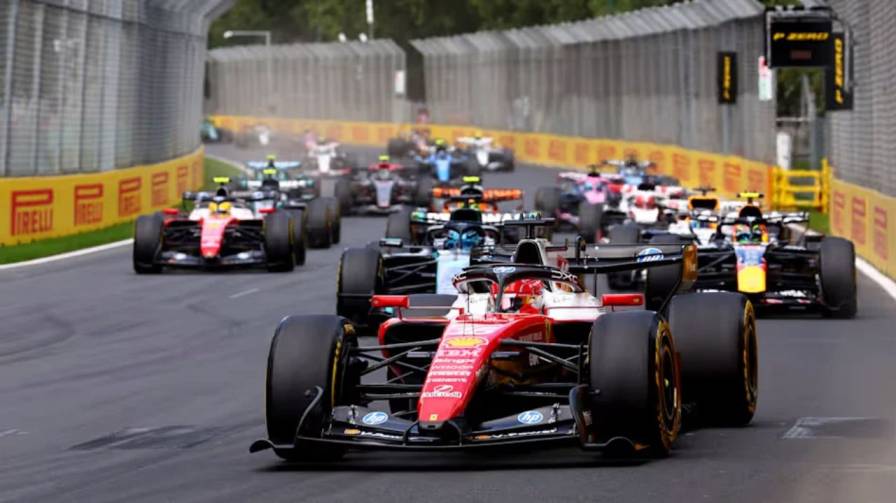
Sunday is race day. The cars line up on the grid in the order set by qualifying, and the race begins with a standing start. The number of laps varies by track, but a race must cover a minimum distance, usually around 305 kilometers.
Some weekends use a different format called a sprint. On those weekends, qualifying on Friday sets the grid for a shorter race on Saturday, and the main qualifying session moves to Saturday morning. The sprint race is roughly one-third of a normal race distance and awards points to the top eight finishers.
Read Also: Active Aero in F1 2026: Everything You Need to Know
How Points and Championships Work?
Formula 1 has two championships running side by side. The Drivers' Championship tracks individual results. The Constructors' Championship tracks team results.
Points are awarded to the top ten finishers in a race. First place gets 25 points. Second gets 18. Third gets 15. The scale continues down to tenth place, which earns 1 point. There is also a bonus point for the fastest lap, but only if the driver who sets it finishes inside the top ten.
The Constructors' Championship adds together the points scored by both cars from each team. This matters because the prize money a team receives at the end of the season is tied to where it finishes in the constructors' standings. A team that finishes higher gets a larger share of the sport's revenue, which helps it build a better car the following year.
The driver who has the most points after the final race is the World Champion. If two drivers finish level on points, the tie is broken by counting race wins, then second places, and so on.
The Tires and Why They Matter So Much
Tires are one of the most important variables in a Formula 1 race. The sport has a single tire supplier, Pirelli, and teams must use the tires provided. The tires are designed to wear out. That is not a flaw. It is intentional, because tire wear creates strategy and variation in the race.
There are several tire compounds, each marked with a different color. The soft tire is the fastest over a single lap but wears out quickly. The medium tire sits in the middle. The hard tire lasts longer but offers less grip. On a dry track, teams must use at least two different compounds during a race, which means every car has to make at least one pit stop.
Wet tires are available when it rains. There are intermediate tires for damp conditions and full wet tires for standing water. Teams watch weather radar closely, and a sudden rain shower can turn a race upside down.
Tire management is a skill in itself. A driver who pushes too hard early in a stint will wear out the tires and lose time later. A driver who looks after the tires can sometimes run longer, make fewer stops, and come out ahead. You will hear commentators talk about "tire degradation" constantly. That is the rate at which a tire loses performance lap after lap.
Pit Stops and Strategy
A pit stop is when a car comes into the pit lane, stops at its team's garage, and gets new tires. The stop usually takes two to three seconds. Teams practice this hundreds of times because a slow stop can cost a driver positions on track.
The strategy around pit stops is where races are often won and lost. A team has to decide when to bring a car in, which tire to fit, and how that timing fits with what the other teams are doing.
There are two basic approaches. A team can run a longer first stint and make fewer stops, hoping track position and tire life work in its favor. Or it can stop early and use fresh tires to attack, trying to pass cars ahead that are on older rubber.
The undercut is a common tactic. A car behind pits earlier than the car ahead. The new tires give it a burst of speed, and when the car ahead pits a lap or two later, the first car may have gained enough time to emerge ahead. The opposite is the overcut, where a driver stays out longer on older tires and hopes the car ahead loses time after its stop, either in traffic or because its new tires take a lap to warm up.
Safety cars and red flags add another layer. When a safety car comes out, the cars bunch up and lap times drop dramatically. Teams often use this moment to pit because the time loss is reduced. A well-timed stop under a safety car can turn a midfield car into a podium contender.
The Rules Drivers Must Follow
Formula 1 racing is fast and close, and the rules exist to keep it safe and fair. The most common rules you will see enforced during a race involve track limits and contact.
Track limits are the boundaries of the circuit. If a driver goes all four wheels off the track, they may gain an advantage, and the stewards can penalize them. This is enforced most strictly at corners where running wide allows a faster exit.
Contact between cars is judged on whether one driver is predominantly at fault. A driver who causes a collision can receive a time penalty, which is added to their race time. A five-second penalty is common. A ten-second penalty is more severe. In serious cases, a driver may be given a drive-through penalty, which requires them to drive through the pit lane at the speed limit, or a stop-go penalty, which requires them to stop in their pit box for a set time.
The stewards are former drivers and officials who review incidents after the race or during it. They have access to all the camera feeds and telemetry data. Their decisions are not always popular, but they are final.
Blue flags are another rule worth knowing. When a car is about to be lapped, it sees blue flags and must let the faster car past. Ignoring blue flags three times leads to a penalty.
You May Also Like: How Fast Does a Formula 1 Race Car Go
DRS Explained Simply
The Drag Reduction System, or DRS, is a movable flap on the rear wing of the car. When a driver is within one second of the car ahead at a designated detection point on the track, they are allowed to open the flap on the following straight.
Opening the flap reduces drag and gives the car a higher top speed. The effect is roughly 10 to 15 kilometers per hour of extra speed, which is enough to make a pass possible on a straight. The flap closes when the driver brakes for the next corner.
DRS is not available everywhere. It is only enabled on certain sections of the track, called DRS zones, which are chosen because they offer a safe place to overtake. In wet conditions, race control can disable DRS entirely for safety.
The system was introduced to help cars follow each other more closely. Before DRS, a car that got close to the one ahead lost aerodynamic grip because of the turbulent air coming off the leading car. DRS helps offset that loss and gives the following car a fighting chance.
Qualifying and Grid Position
Qualifying is not just about who is fastest. It is about who can deliver a perfect lap when it counts.
The three-segment format means teams have to manage tire use carefully. A team might use a softer tire in the first segment to guarantee progress, then save a fresh set of the softest compound for the final shootout. Getting this wrong can leave a fast car starting in the middle of the grid.
The track evolves during qualifying. As more cars run, rubber is laid down on the racing line, which makes the track faster. The fastest times often come at the very end of a session, which is why you see all the cars rushing to start a final lap before the clock runs out.
Grid position matters because overtaking is difficult in Formula 1. The cars are wide, the braking zones are short, and the aerodynamic wake makes following closely a challenge. Starting at the front gives a driver track position and clean air, which is a significant advantage. That said, some tracks are easier to pass on than others. A circuit with long straights and heavy braking zones offers more overtaking opportunities than a tight, twisty layout.
What to Watch For in Your First Race?
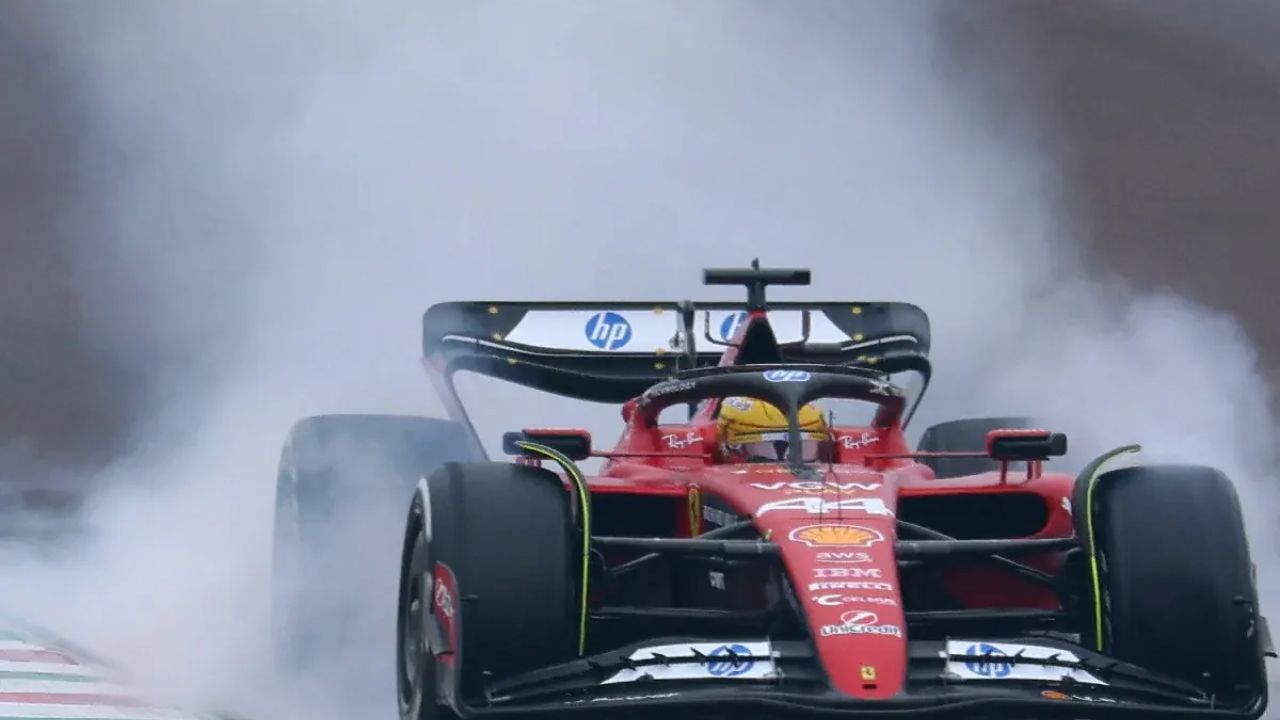
You do not need to understand every technical detail to enjoy a Formula 1 race. Start by watching the battles.
Look at the gap between cars. The broadcast graphics show the time difference between drivers. A gap that is shrinking means the car behind is catching the car ahead. A gap that is growing means the leader is pulling away.
Watch the pit stops. When a car pits, note which tire it takes and how many laps it has done. Compare that to the cars around it. You will start to see the strategy playing out.
Listen to the team radio. Broadcasts often include messages between drivers and their engineers. You will hear drivers complain about tires, ask about the gap to the car ahead, or react to a sudden change in conditions. These messages give you a window into what the team is thinking.
Pay attention to the midfield. The fight for the lead gets the most screen time, but the battles for fifth through tenth are often just as fierce. Those positions matter for points, and the drivers involved are fighting just as hard as the leaders.
Finally, do not worry about catching every rule or every call. Formula 1 has been around since 1950, and even longtime fans see something new every season. The sport rewards attention. The more races you watch, the more the patterns become clear.
A Note on the Cars Themselves
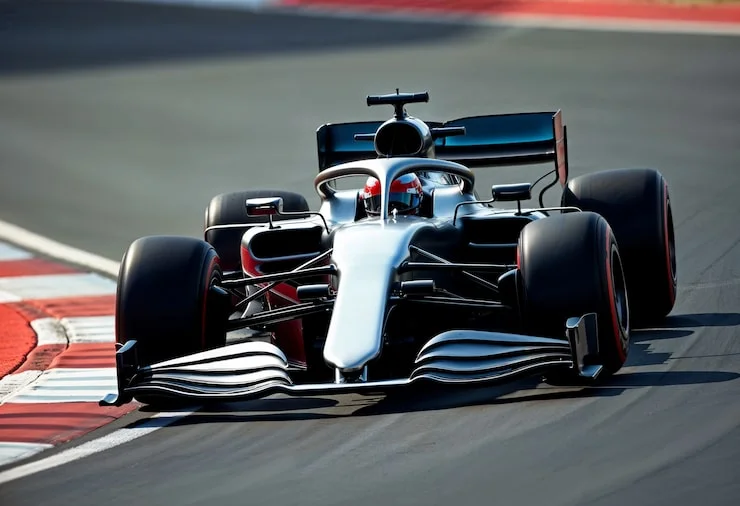
The current generation of Formula 1 cars uses a 1.6-liter turbocharged hybrid power unit. The engine works with two energy recovery systems, one that captures heat energy from the turbo and one that captures kinetic energy under braking. The combined output is around 1,000 horsepower.
The cars are built around a carbon fiber monocoque, which is a strong, lightweight shell that protects the driver. The driver sits in a survival cell designed to withstand enormous forces. The halo, a titanium bar above the cockpit, protects the driver's head from debris and impacts.
Aerodynamics dominate the car's design. Every surface is shaped to generate downforce, which pushes the car into the track and allows it to corner faster. The front wing, floor, and rear wing all work together to manage airflow. A car with more downforce can corner faster but may be slower on straights because of drag. Teams tune this balance for each track.
Conclusion
Understanding Formula 1 comes down to a few core ideas. The cars are unique machines built by teams that design them from scratch. Tire wear and pit strategy shape every race. Rules about track limits, contact, and DRS keep the competition fair and safe. Points accumulate across the season to crown a champion.
You do not have to learn it all at once. Watch a race this weekend. Pick one battle in the midfield and follow it. Notice when the cars pit and what tires they take. By the end of the race, you will understand more than you did at the start. That is how every fan learns.